


Ghana’s Minister for Food and Agriculture, Eric Opoku, has called for increased investment and structural reforms in Africa’s agricultural sector to accelerate job creation and economic transformation.
Speaking at the Global Policy Dialogue in Rome, Italy, the minister participated in discussions focused on employment generation across Africa through the Mattei Plan.
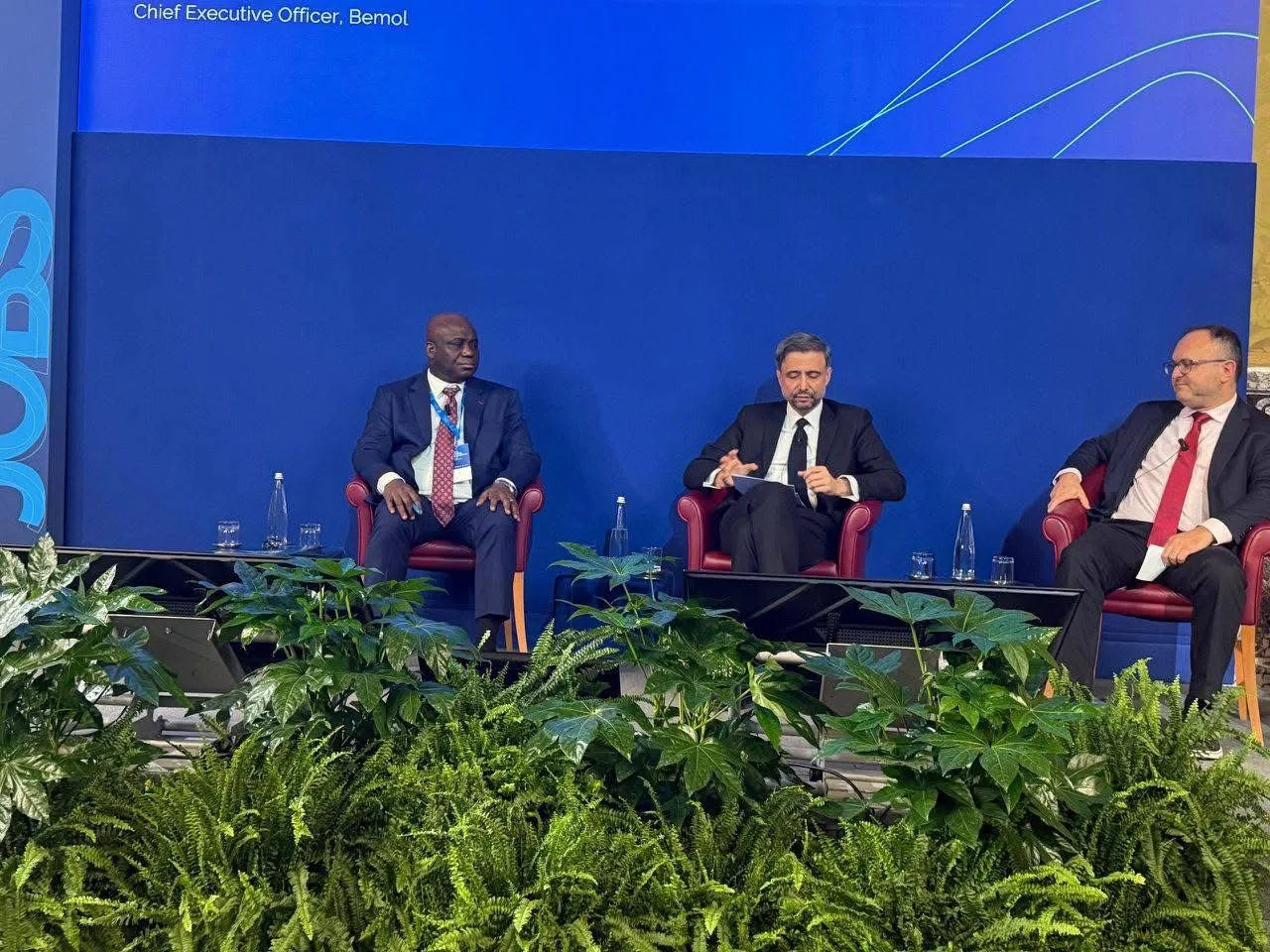
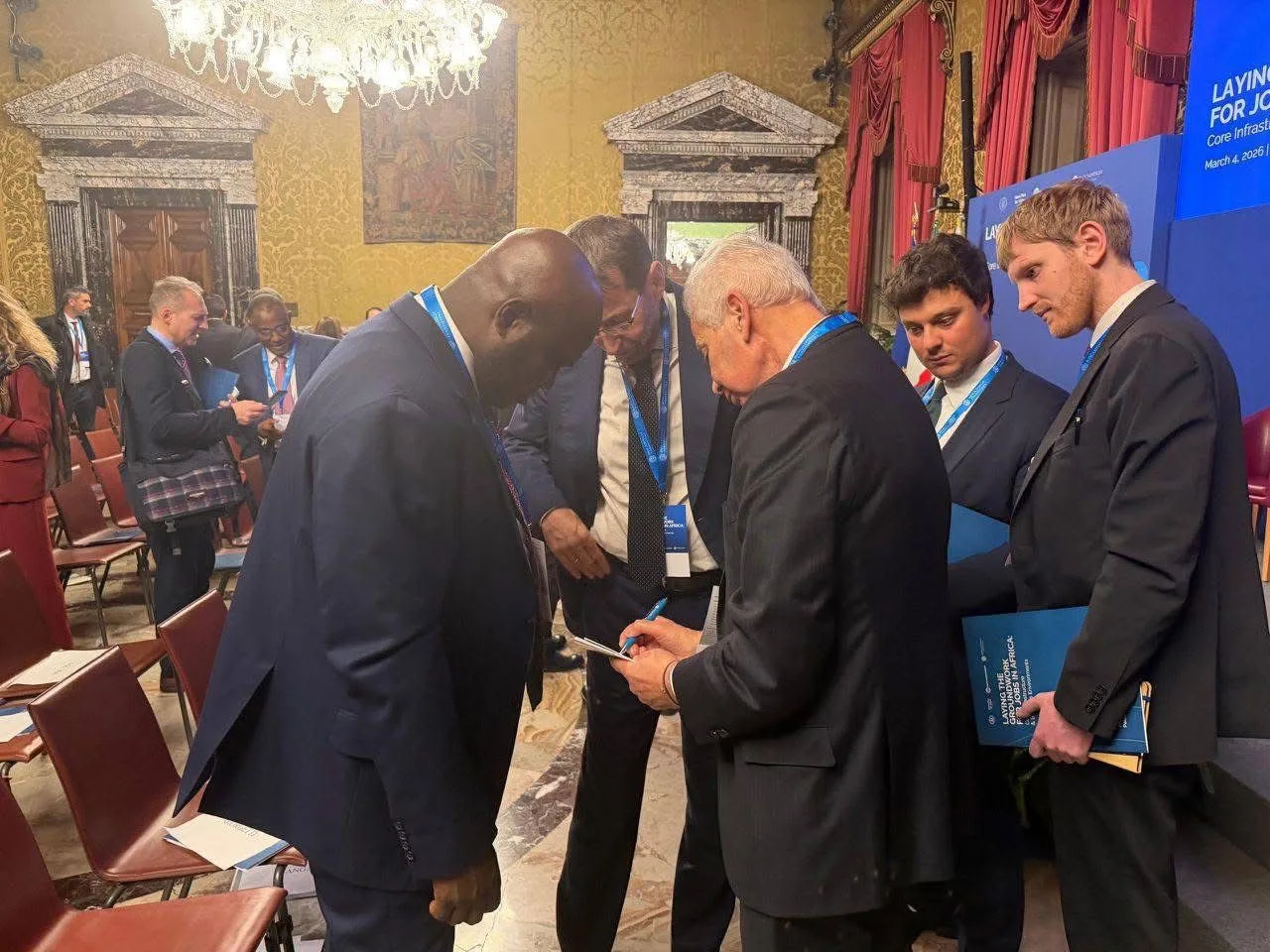
The forum, organised in collaboration with the World Bank Group and Banca d’Italia, brought together policymakers and development partners to explore ways of strengthening infrastructure and improving the business environment to stimulate employment across the continent.
During the dialogue, Mr. Opoku underscored the central role of agriculture in Ghana’s economy, noting that the sector remains a major contributor to the country’s Gross Domestic Product and a key source of employment.
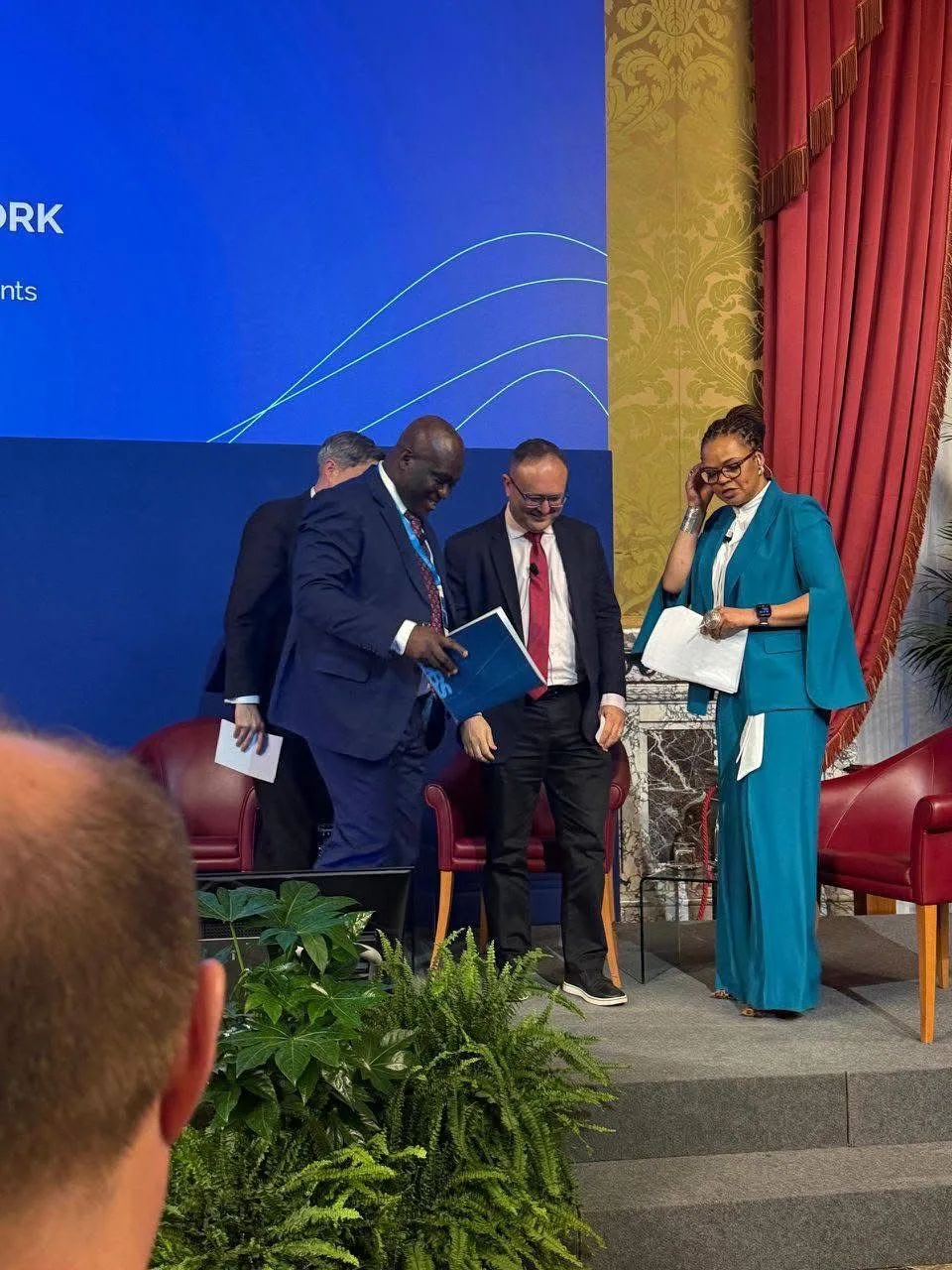
He outlined the government’s strategy to modernise the sector and make it more productive and attractive, particularly for young people.
The minister emphasised the need to transition from traditional smallholder farming systems to large-scale commercial production and agribusiness development.
According to him, such a shift is critical to creating sustainable employment opportunities for Ghana’s growing youth population.
To support this transformation, Mr. Opoku highlighted several priority interventions being pursued by the government.
These include expanding irrigation infrastructure, constructing 1,000 kilometres of farm access roads, and strengthening national food storage capacity to reduce post-harvest losses and improve market access for farmers.
He also reaffirmed the government’s commitment to establishing Farmer Service Centers nationwide.
According to him, these centres are expected to provide mechanisation services, technical support, and easier access to agricultural technologies.
He further encouraged private investment through improved financial accessibility for farmers and agribusiness operators.
Mr. Opoku also noted that Ghana’s Agriculture for Economic Transformation Agenda seeks to reposition agriculture as a catalyst for inclusive growth.
He stressed that transforming food systems requires a coordinated, multi-sectoral approach involving infrastructure development, energy expansion, agricultural modernisation, and industrial growth.
“The transformation of agriculture is not only about food production but about building resilient economies and creating sustainable jobs for our youth,” he said.
The Global Policy Dialogue forms part of broader international efforts to strengthen partnerships between African governments and global financial institutions aimed at driving economic development and employment across the continent.


