






























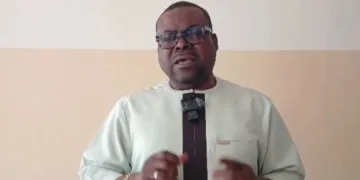

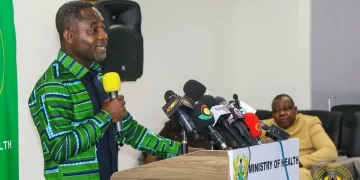




















The Acting Head of Health Training Institutions (HTIs), Mr. Tony Goodman, has cautioned nursing students and practising nurses against using their professional uniforms to create inappropriate content on social media.
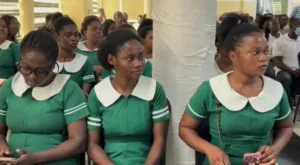
He said the practice could undermine the dignity and reputation of the nursing profession, which is widely respected for its contribution to healthcare delivery.
Mr. Goodman disclosed that discussions were ongoing with the Nursing and Midwifery Council to address the issue and promote professionalism among nursing trainees and practising healthcare workers.
He urged nursing training institutions to discourage students from using their uniforms to produce content that could bring the profession into disrepute.
He also encouraged members of the public to report identifiable individuals who misuse nursing uniforms to create inappropriate social media content, saying such reports would help the relevant authorities address the practice and restore professional standards.
Mr. Goodman stressed that nursing was a respected profession that must be protected from actions capable of weakening public confidence in healthcare workers.
He noted that Ghanaian nurses were highly valued internationally, with foreign countries seeking their services to provide patient care and strengthen healthcare delivery.
He therefore urged nurses and trainees to uphold professional standards and ethical conduct, warning that the actions of a few individuals should not undermine the reputation built by dedicated healthcare professionals over the years.
Meanwhile, the Deputy Director-General of the Ghana Tertiary Education Commission (GTEC), Professor Augustine Ocloo, has cautioned nursing training institutions against excessive student enrolment, warning that expanding admission numbers without adequate teaching staff and facilities could compromise the quality of nursing and midwifery education in Ghana.
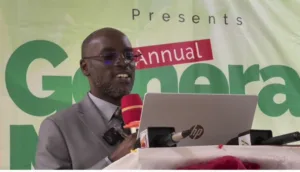
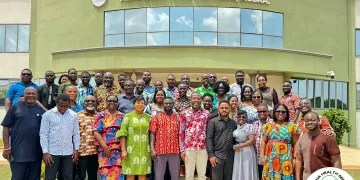
Professor Ocloo gave the caution at the 26th Annual General Meeting and Scientific Session of the Nurse and Midwife Educators’ Society–Ghana (N&MES-GH).
The meeting was held under the theme: “Transforming Nursing and Midwifery Education: The Role of Nurse and Midwife Educators in Developing and Delivering Competency-Based Curricula.”
Professor Ocloo said the growing demand for nursing education must be matched with adequate resources to ensure that graduates acquire the necessary knowledge, practical skills and professional competence to deliver quality healthcare.
He recalled that GTEC had recently imposed a moratorium on new nursing programmes, stressing that institutions must demonstrate their capacity to provide quality education before expanding their programmes.
He explained that competency-based education must go beyond academic qualifications to equip graduates with practical skills, clinical judgment, ethical conduct and communication abilities required to care for patients safely.
Professor Ocloo therefore called for stronger links between classroom teaching and clinical practice, urging institutions to provide students with supervised clinical training, case discussions, simulation exercises and practical assessments.
He expressed concern about inadequate equipment, outdated teaching materials and insufficient consumables in some training institutions, noting that such challenges could limit students’ opportunities to acquire essential clinical skills.
He said modern simulation facilities, including clinical mannequins and maternal and neonatal simulators, were necessary to help students practise procedures and manage emergencies before encountering similar situations in actual patient care.
Professor Ocloo also emphasised the need for adequate teaching staff and appropriate student-to-faculty ratios, warning that overcrowded classrooms and insufficient supervision could undermine the effective delivery of nursing and midwifery programmes.
He added that GTEC would continue to assess institutional capacity, staffing levels, skills laboratories and clinical training opportunities to maintain educational standards.
The National Chairman of the Nurse and Midwife Educators’ Society–Ghana, Mr. Aloysius Angliengmene, has called for a legal framework to formally establish the tertiary status of nursing and midwifery training institutions.

He said the lack of a clear legal framework and disparities in career opportunities and conditions of service were contributing to the departure of experienced tutors and highly qualified academic staff to universities.
Mr. Angliengmene noted that although nursing and midwifery tutors had acquired advanced academic qualifications, including PhDs and MPhil degrees, some were not receiving commensurate professional benefits.
He cited the transition of teacher training colleges into Colleges of Education as an example, arguing that nursing and midwifery training institutions also needed formal recognition and a legal framework to support their development.
He warned that the continued departure of qualified tutors could weaken the institutions’ capacity to deliver quality education and implement competency-based curricula effectively.
The National Chairman also called for the timely organisation of promotion interviews for members seeking advancement to the ranks of Chief Health Tutor and Chief Health Promotion Officer.
He urged the relevant authorities to announce the interview dates by October 31, following the expected two-week period after the release of the first batch of promotion interview schedules.
In addition, Mr. Angliengmene appealed for the introduction of accommodation and professional development allowances to ease the financial burden on tutors who spend their own resources attending professional training programmes.
He also called for the reinstatement of the vehicle maintenance allowance, explaining that tutors needed reliable transport to support their work and the effective implementation of academic curricula.
He stressed that improving the welfare of tutors was essential to ensuring academic harmony and the successful implementation of competency-based education.
Mr. Angliengmene further urged members to remain united and strengthen collaboration with sister unions, particularly the Health Tutors Association of Ghana, to achieve their shared objectives.
The 26th Annual General Meeting and Scientific Session of N&MES-GH provides a platform for dialogue and collaboration on issues affecting nursing and midwifery education, professional development and the welfare of tutors in training institutions across the country.
Source: Nana Fynn