


The Ghana Enterprise Agency (GEA) Greater Accra Regional Office, in collaboration with the German Development Corporation, has encouraged Small and Medium Enterprises (SMEs) to adopt digital transformation tools to drive growth and achieve long-term business success.
This call was made during a seminar held on Tuesday, 3rd February 2026, under the theme “Digital Literacy and Innovation Curriculum – Digitalize for Jobs (D4J) Project.”
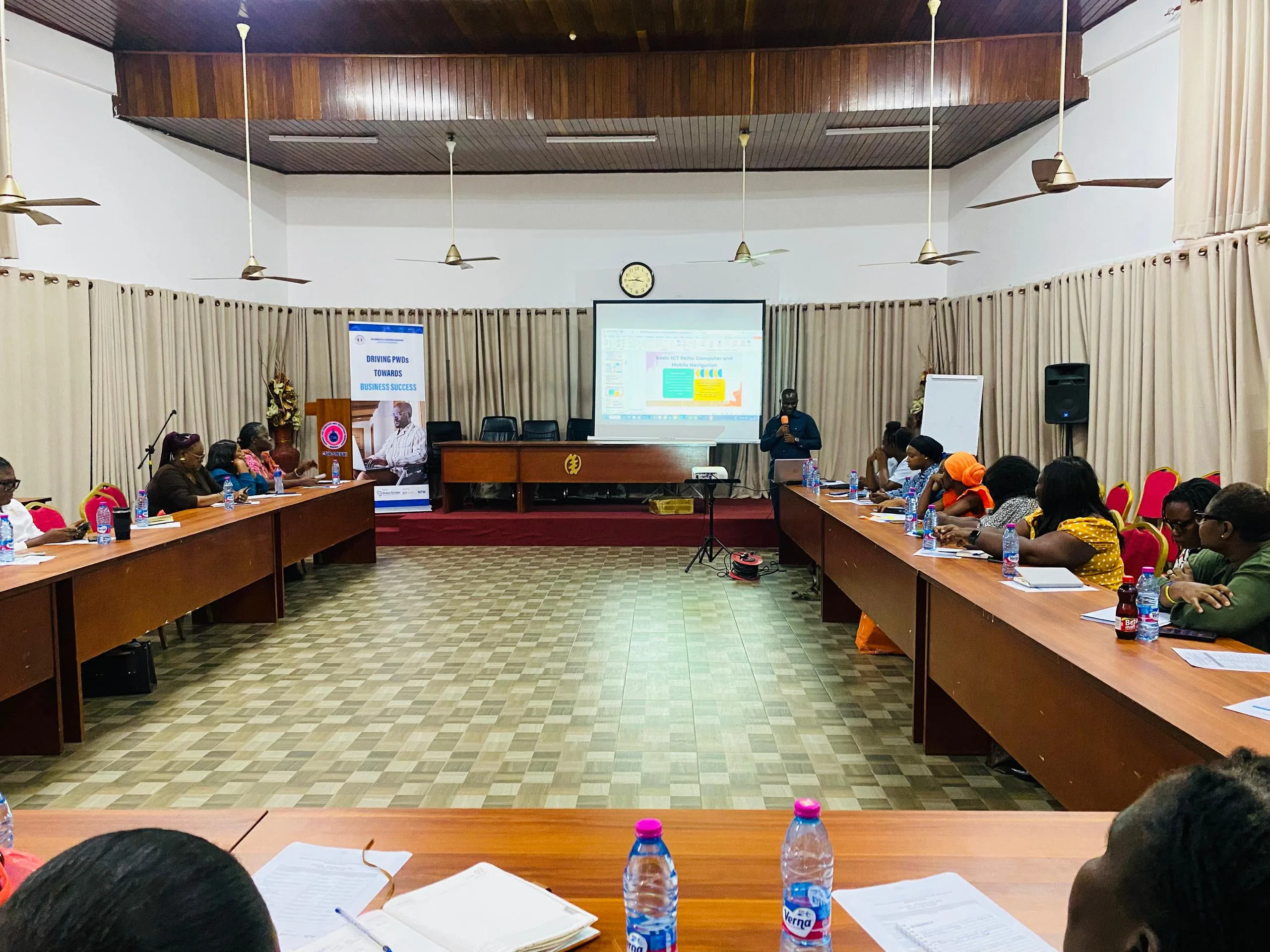
The event aimed to equip SMEs with practical digital skills and tools to improve their operations and competitiveness.

Speaking to the media, the Regional Director of the GEA, Mrs. Anthea Ohene Mayne, explained that the seminar was organised to educate beneficiaries and address challenges they face when using digital platforms, including issues with digital consultants who developed the websites in the first phase of their project.
“After a thorough assessment of participating businesses, it became clear that many SMEs had significant weaknesses in their use of digital tools.
“Several training sessions and conferences were organised to enlighten business owners on modern digital trends and solutions. As part of the way to address it, we did the digital literacy pack and the equipment pack, which served as a training ground,” Mrs. Mayne noted.
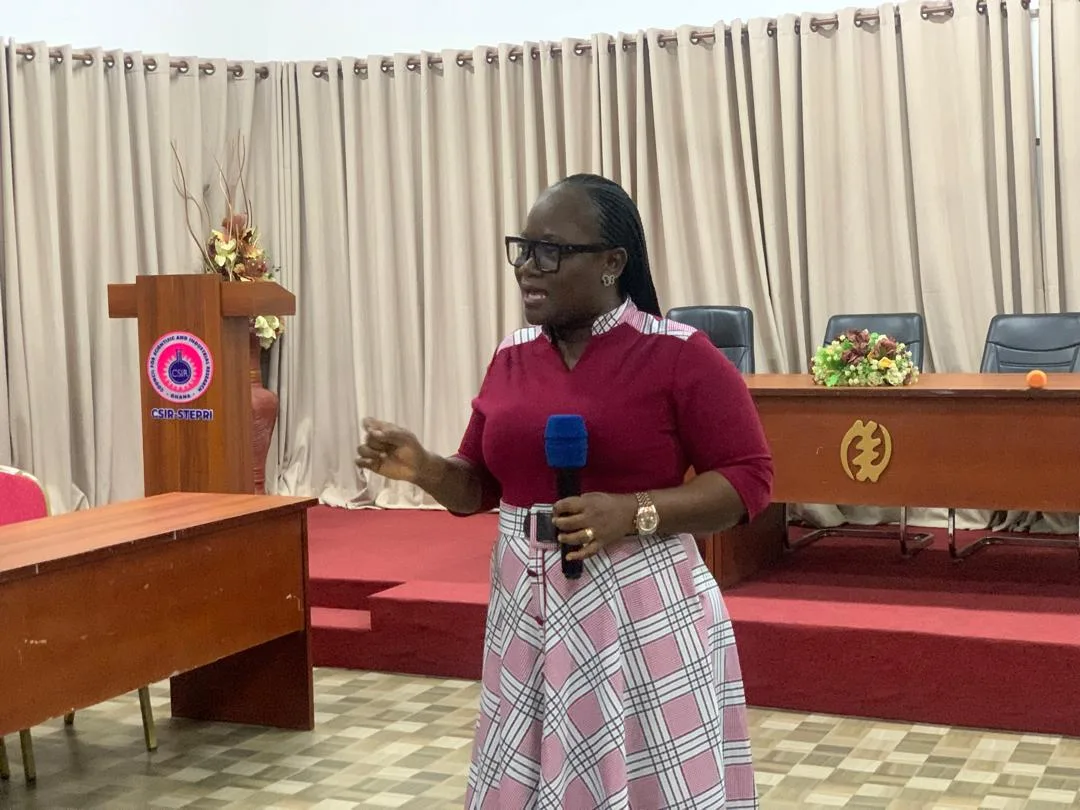
She revealed that beneficiaries were provided with MiFi devices, handbooks, and, in some cases, a “digital visibility pack,” which included the creation of Facebook and WhatsApp Business accounts, as well as access to digital tools such as accounting software, record-keeping systems, Customer Relationship Management (CRM) platforms, and e-commerce solutions.
She further explained that websites developed for the SMEs were offered free for the first year, after which beneficiaries would be responsible for renewing their domain names.
Regarding the future of the initiative, Mrs. Mayne disclosed that Phase Two of the Digitalize for Jobs (D4J) project would focus on innovation and inclusion, particularly targeting rural areas and persons with disabilities (PWDs).
“The next phase will support 50 SMEs owned by persons with disabilities across five regions: Bono Region, Northern Region, Ashanti, and Central, with 10 beneficiaries selected from each region,” she stated.
The Technical Advisor for GIZ, Mr. Niklas Harrendorf, reaffirmed that “digitalisation needs to be inclusive,” explaining that there has been a significant digital and gender gap in society.
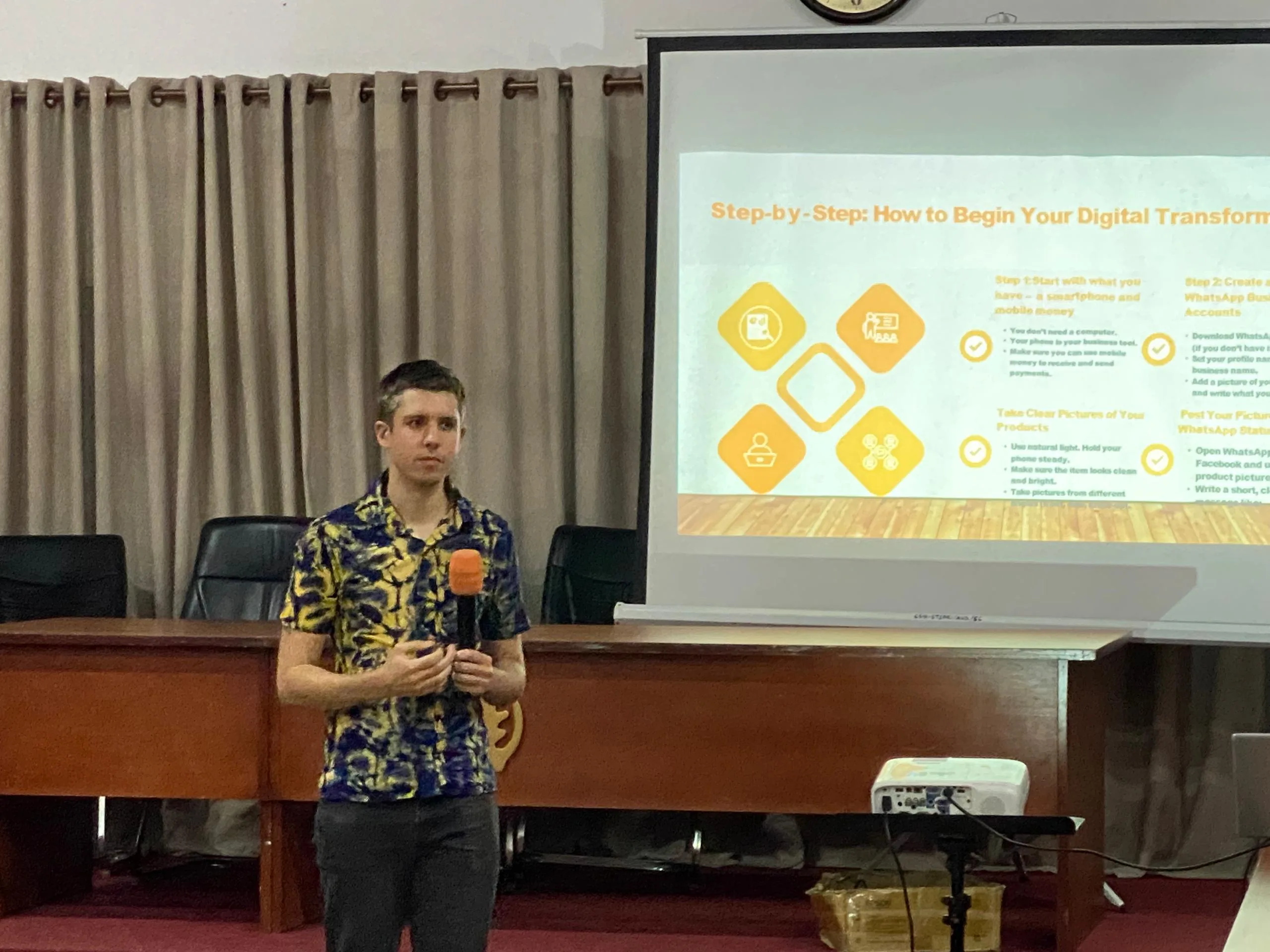
The initiative seeks to help bridge that divide, especially for women-led SMEs.
He also indicated that this cohort includes beneficiaries connected to “women-owned businesses,” marking an important step towards gender-focused digital empowerment.
Source: Ernest Kelvin Okanta


