


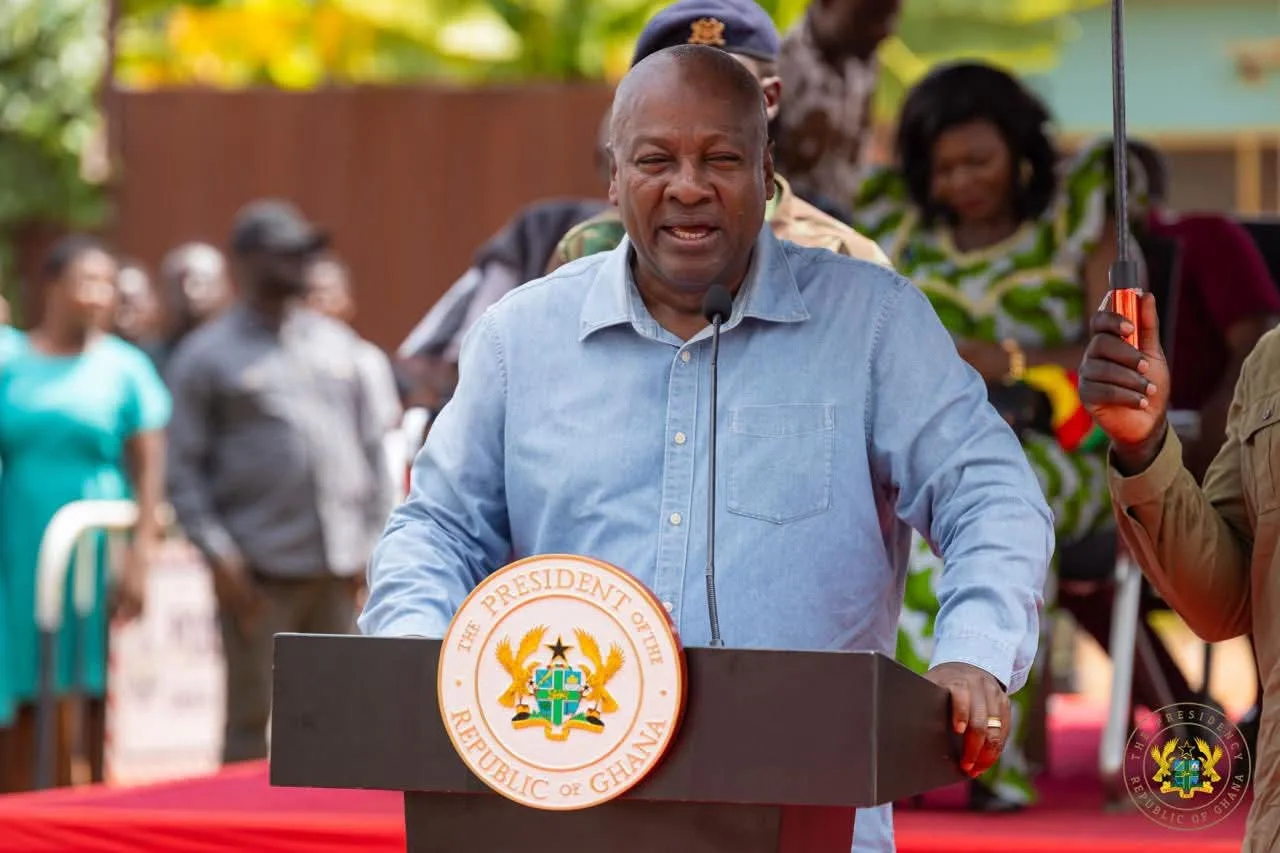
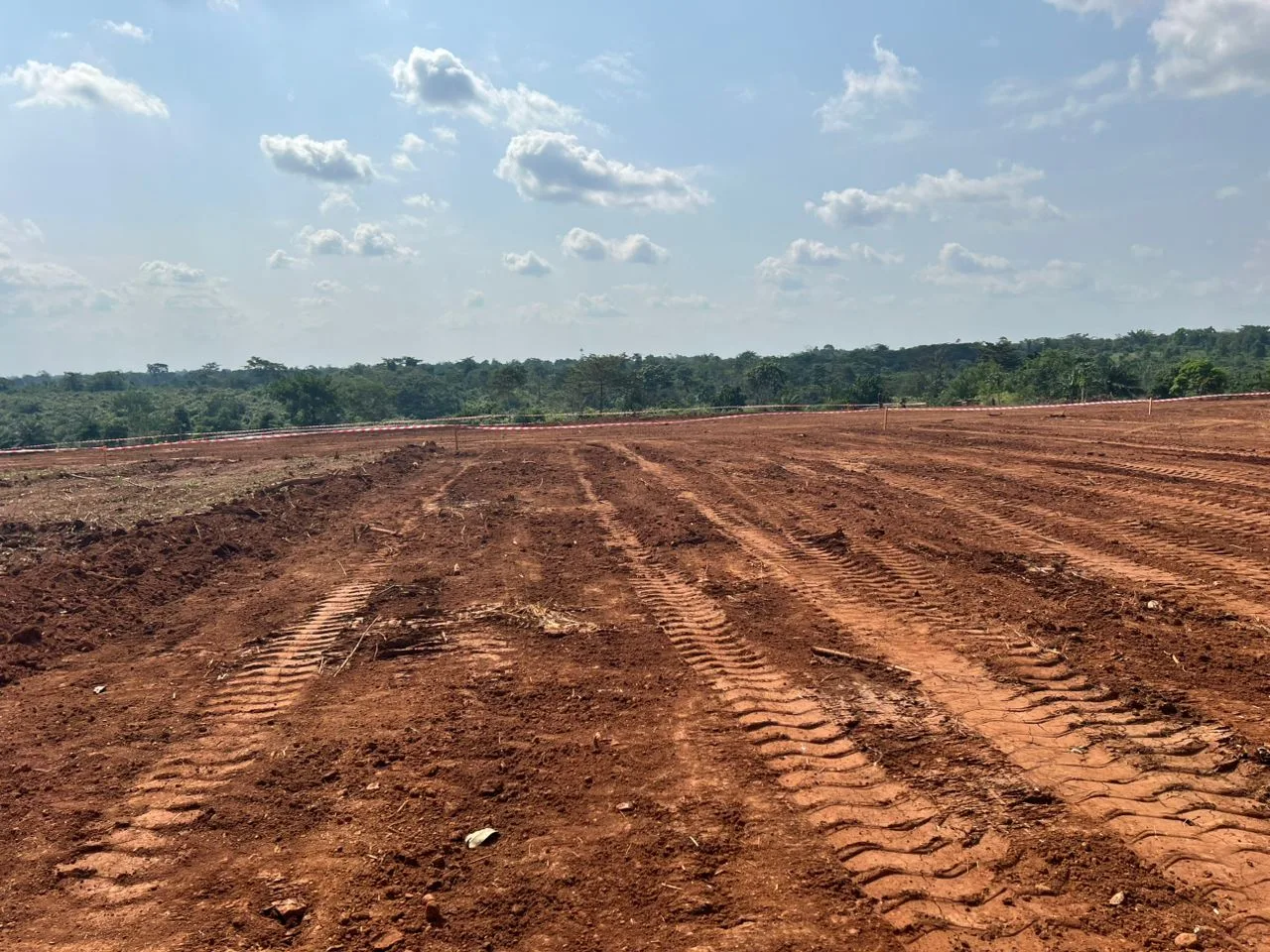
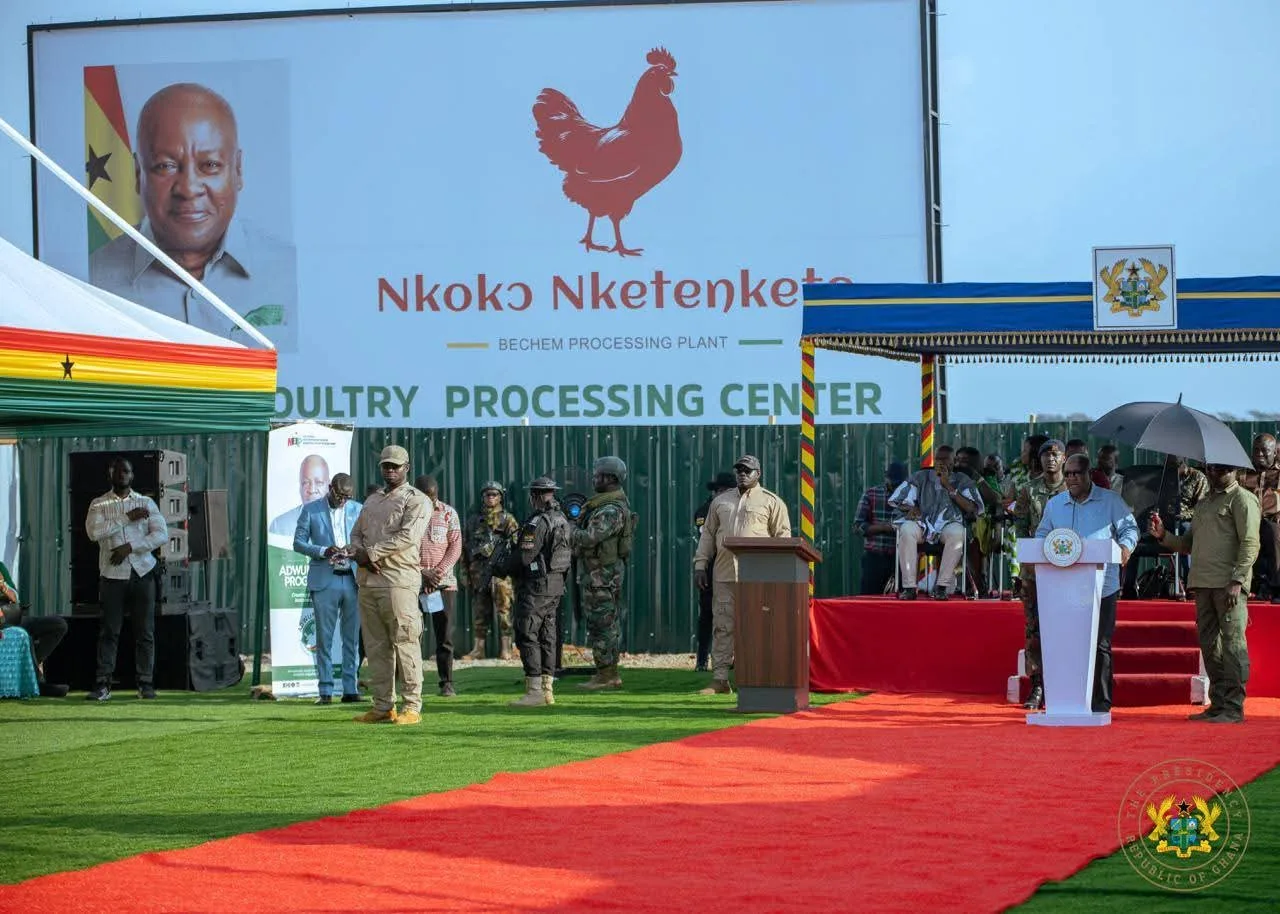
President John Dramani Mahama has performed the sod-cutting ceremony for the construction of a modern poultry, meat, and feed processing facility at Bechem in the Ahafo Region.
The project, a flagship investment under government’s Feed Ghana Programme, is expected to play a central role in revitalising the economy, driving agricultural industrialisation, and strengthening national food security.
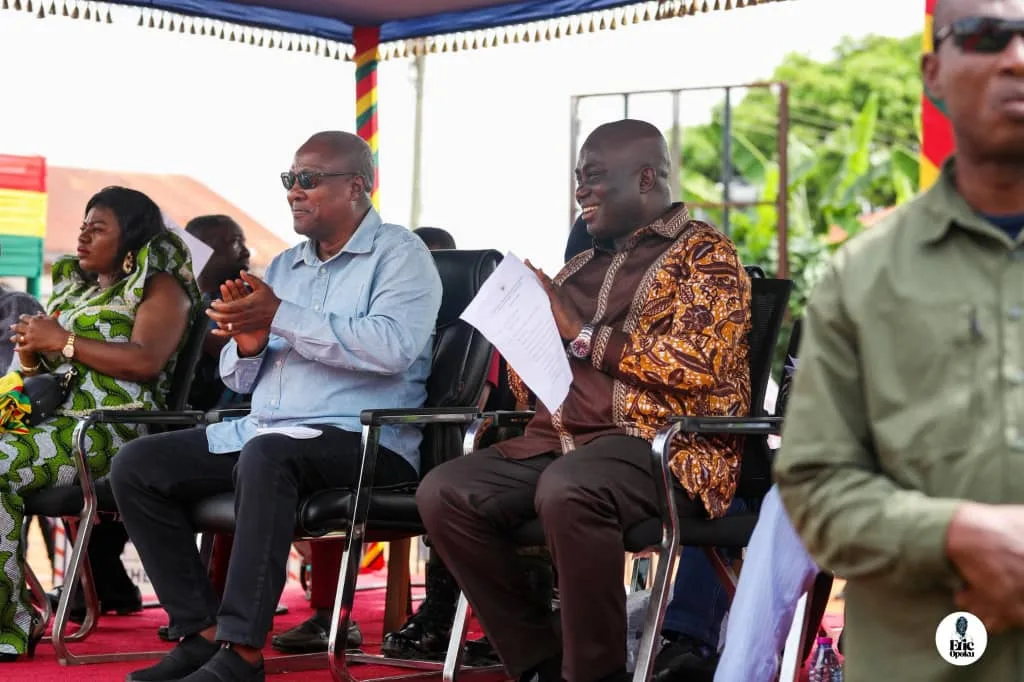
Addressing the gathering, President Mahama said the initiative marks more than a symbolic beginning, which represents a decisive move toward building an integrated, self-sustaining poultry value chain capable of reducing Ghana’s long-standing dependence on imported poultry.

The country currently spends between 300 and 400 million dollars annually on poultry imports—a situation the President described as unsustainable.
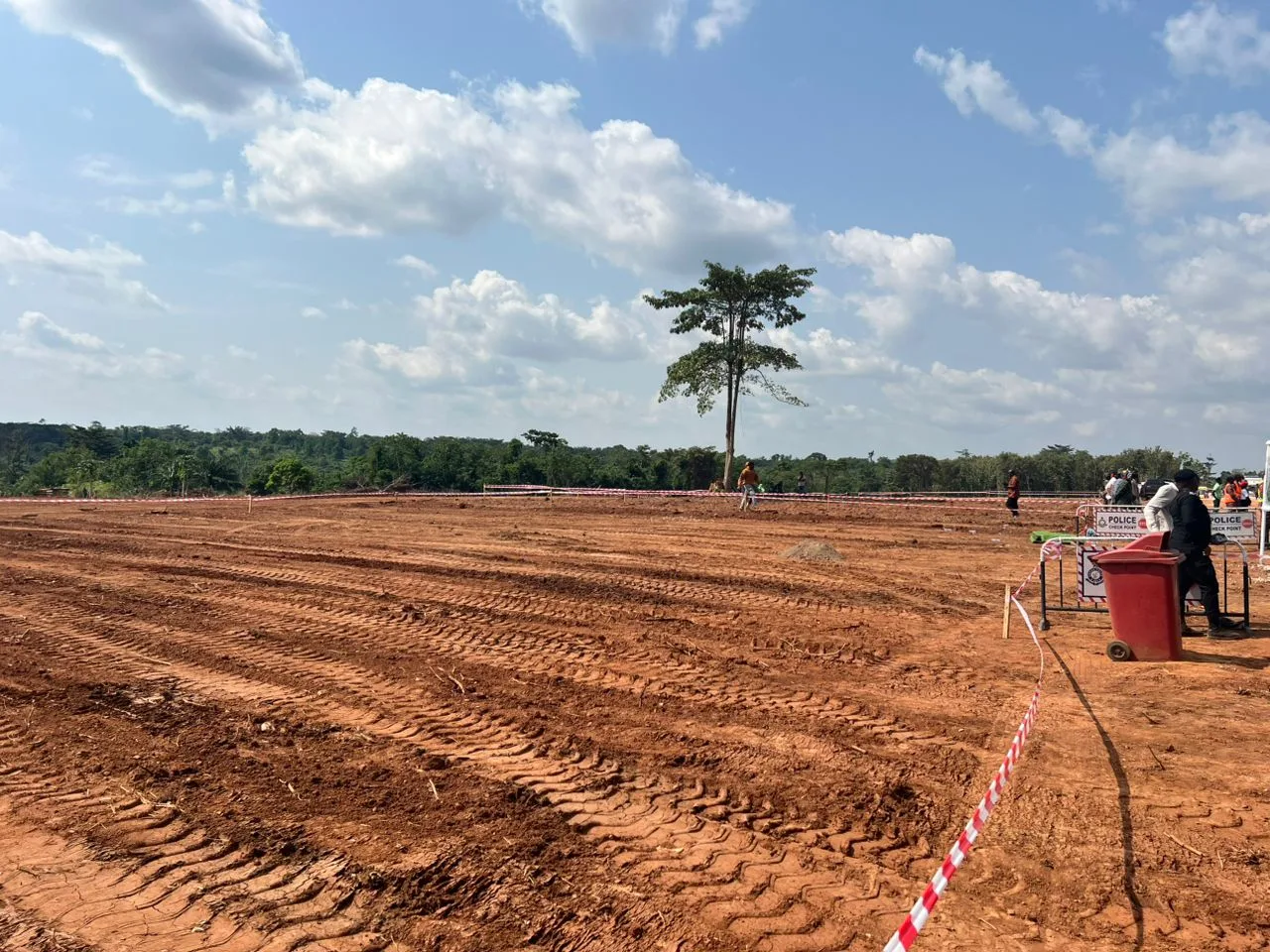
The Bechem facility is designed as a state-of-the-art agro-industrial hub to support the entire poultry ecosystem.
It will house a modern feed processing plant producing high-quality, affordable feed; a hygienic meat processing unit certified for domestic and export markets; cold-chain and dry-storage warehouses; and a training academy equipped with residential facilities for young farmers, technicians, and agripreneurs.
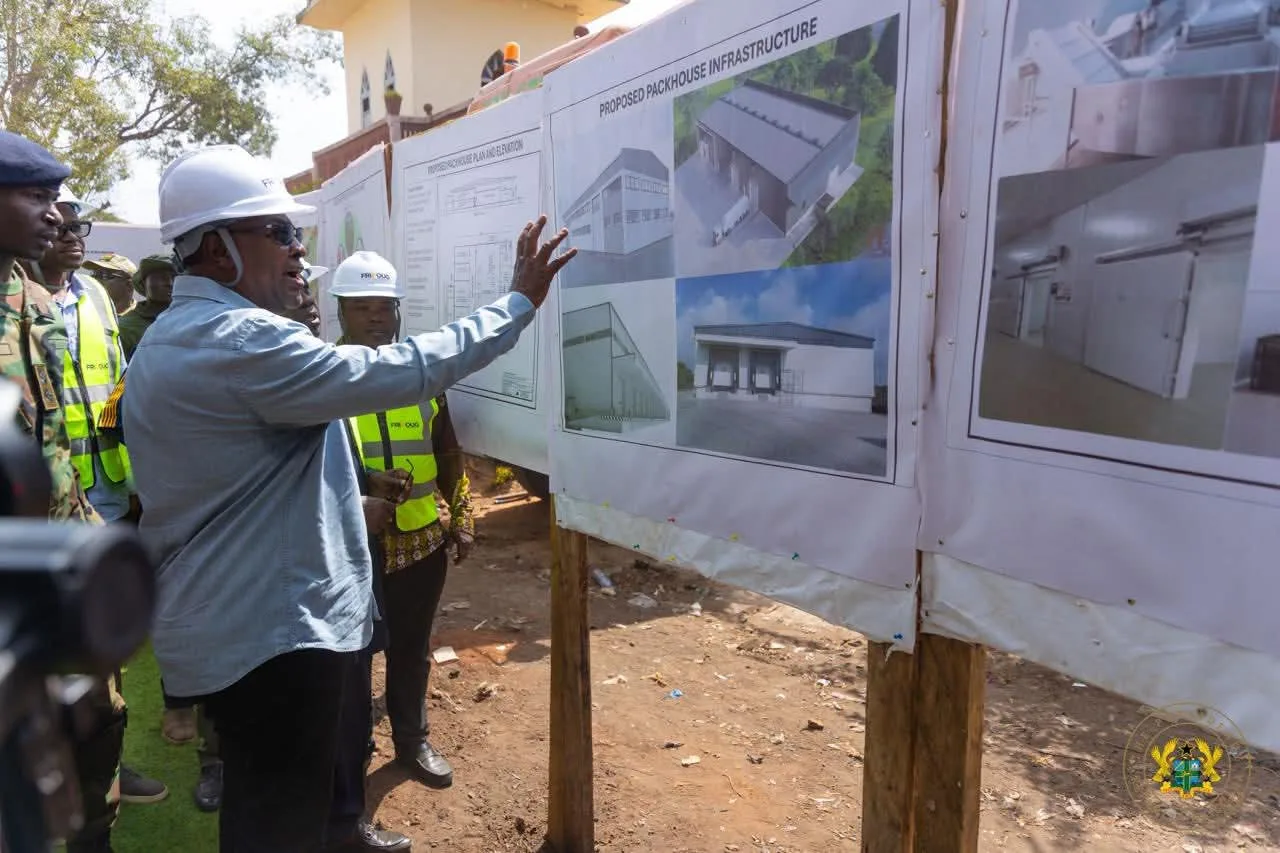
President Mahama said the centre is envisioned as a hub for research, innovation, and agribusiness incubation, with the potential to attract significant private investment and boost rural industrialisation.
He further announced that similar facilities will be established nationwide to support the government’s “Nkoko Nketenkete” backyard poultry initiative and broader poultry expansion programmes.
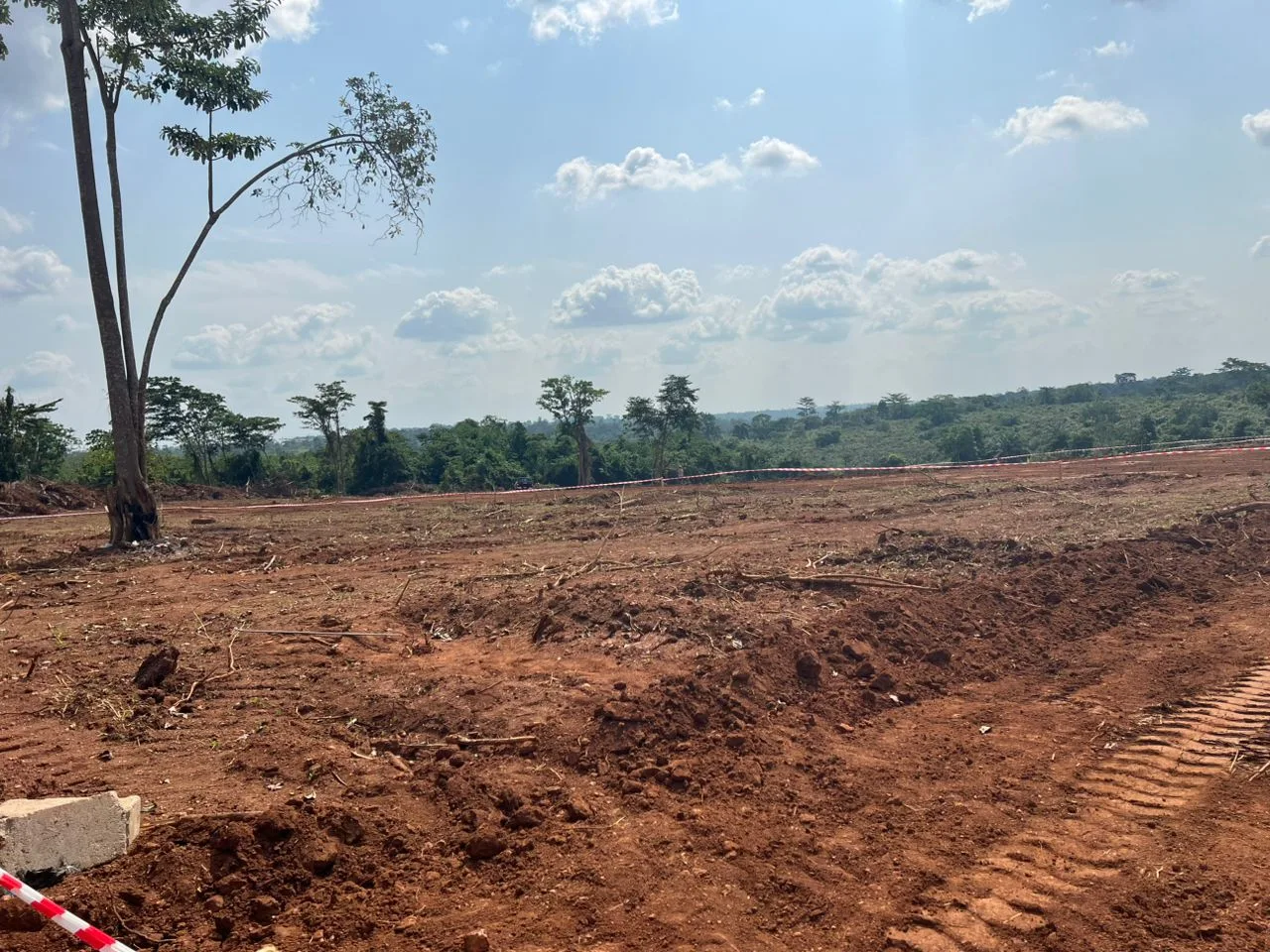
According to him, these investments will cut production costs, minimise post-harvest losses, guarantee food safety, and create thousands of jobs across production, processing, packaging, distribution, and retail.
He emphasised that the new plant will provide assured markets for both smallholder and commercial farmers, helping to reduce poultry imports and retain value within the local economy.
He noted that facilities of this nature will operate continuously and showcase the efficiency of a functional 24-hour agricultural economy.
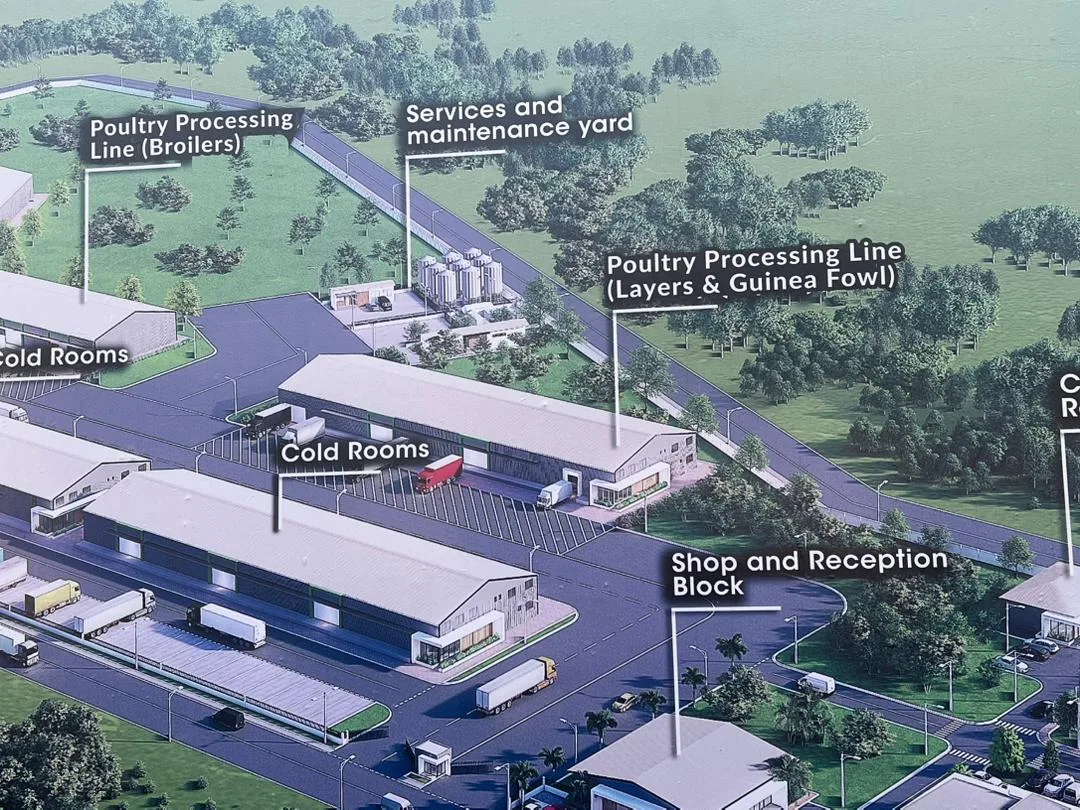
The Bechem project forms part of the Feed Ghana Poultry Transformation Plan, which includes the Poultry Farmer-to-Table Project supporting 50 commercial farmers; empowerment programmes for 500 small- and medium-scale enterprises; the “Nkoko Nketenkete” scheme targeting three million birds for women and youth; and nationwide expansion of hatcheries, breeder farms, and veterinary services.
Together, these interventions seek to rebuild a complete domestic poultry ecosystem and reposition Ghana as a leader in poultry production in West Africa.
President Mahama also revealed that the School Feeding Programme will soon procure locally produced poultry for meals.
Additionally, government will launch the Schools Poultry and Livestock Project to encourage schools and training institutions to operate their own farms for both consumption and income generation.
Explaining the choice of Bechem, the President noted the strategic importance of the Ahafo Region, which has become one of Ghana’s most vibrant food production zones with strong ties to poultry hubs in Dormaa, Techiman, and Kumasi.
He said the facility will serve as a central processing and training corridor for the poultry and livestock value chains.
The President expressed appreciation to the Ministry of Food and Agriculture, the Tano South Municipal Assembly, the Regional Coordinating Council, development partners, private investors, and farmer cooperatives for their support.
He called for discipline, transparency, and strong community commitment to ensure the success of the project.
He concluded that the sod-cutting ceremony reflects Ghana’s collective determination to produce what it consumes, add value to what it grows, and create sustainable jobs through rural industrialisation.
The facility is scheduled for completion within 12 months.
Meanwhile, the Minister of Food and Agriculture, Eric Opoku, announced that the factory will have the capacity to process 3,000 birds daily.
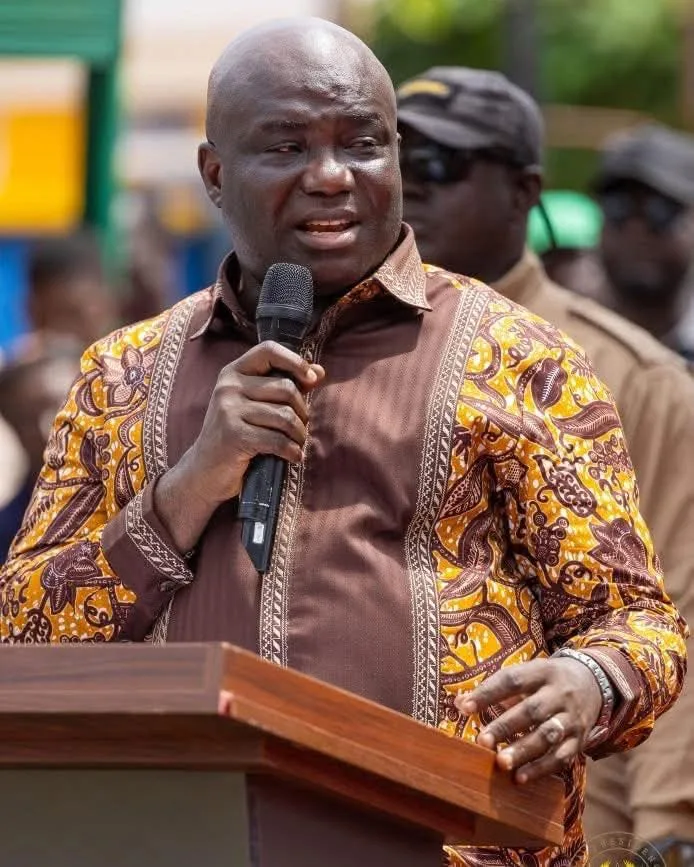
He added that the facility will include a rendering machine for producing affordable fertiliser and feed, and revealed plans to introduce another programme targeting 80,000 birds to support large-scale poultry farmers nationwide.
Source: Felix Oppong Kyeremeh


