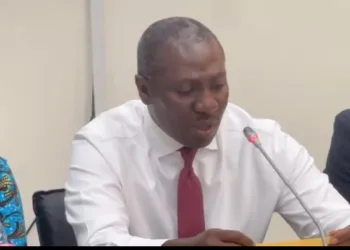









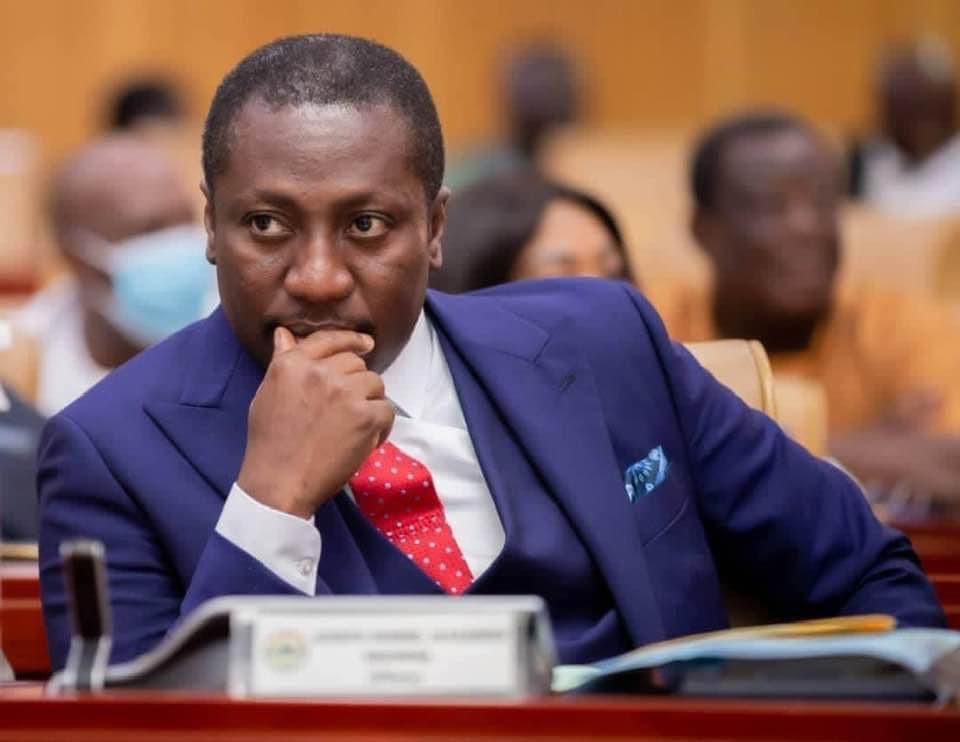













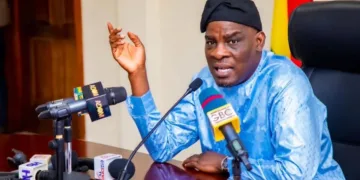






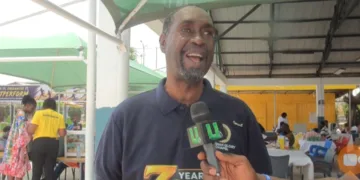




















Private legal practitioner and Energy Policy Expert, Lom Nuku Ahlijah, has identified poor revenue collection as the biggest challenge facing Ghana’s energy sector, warning that it continues to contribute to the sector’s growing debt.
Speaking during a panel discussion on Angel FM’s ‘Anɔpa Bɔfoɔ’ on Tuesday, November 3, he said the failure to effectively collect revenue from electricity consumers was undermining the financial sustainability of the sector and making it difficult for power distributors to meet their financial obligations.
Mr. Ahlijah noted that the International Monetary Fund (IMF) had repeatedly raised concerns about energy sector debt as one of the major risk factors to Ghana’s economy.
“IMF has spoken about it severely that Ghana’s economy risk factor is energy sector debt,” he said.
According to him, the sector’s debt problem is closely linked to revenue collection challenges, which largely result from technical and commercial losses.
He explained that when electricity supplied to consumers is not properly accounted for and paid for, the resulting revenue shortfalls affect the ability of energy companies to pay Independent Power Producers (IPPs).
Mr. Ahlijah stressed the need for government and relevant stakeholders to prioritise the installation and effective use of electricity meters to improve revenue collection.
He further questioned why metering was not being treated as a major priority when it remained one of the key tools needed to ensure that electricity consumed is properly measured and paid for.
“You’ve not done your collection, it is the meter that will make you do the collection. So why don’t you make it the priority?”
He maintained that improving revenue collection would be critical to addressing the financial difficulties confronting Ghana’s energy sector.
Source: Abigail Ekua Arhin