




The Corporate Affairs Manager of Ghana Rubber Estates Limited (GREL), Perry Acheampong, has warned that the continuous export of raw rubber is undermining local processing factories, threatening jobs, and draining Ghana’s foreign exchange earnings.
According to him, the export of raw rubber denies the country added value from processing while starving local industries of raw materials.

“When you export raw rubber, you are exporting jobs outside the country. Exporters sell raw rubber at $600 per tonne, but when we process it here and export, Ghana earns twice that amount. In terms of jobs and foreign exchange, we are losing out,” he stressed.
Mr. Acheampong revealed that GREL is now producing at 50% capacity, far below its potential of more than 100,000 tonnes. The shortage of raw materials has already forced the company to lay off 100 workers, with further job cuts looming.

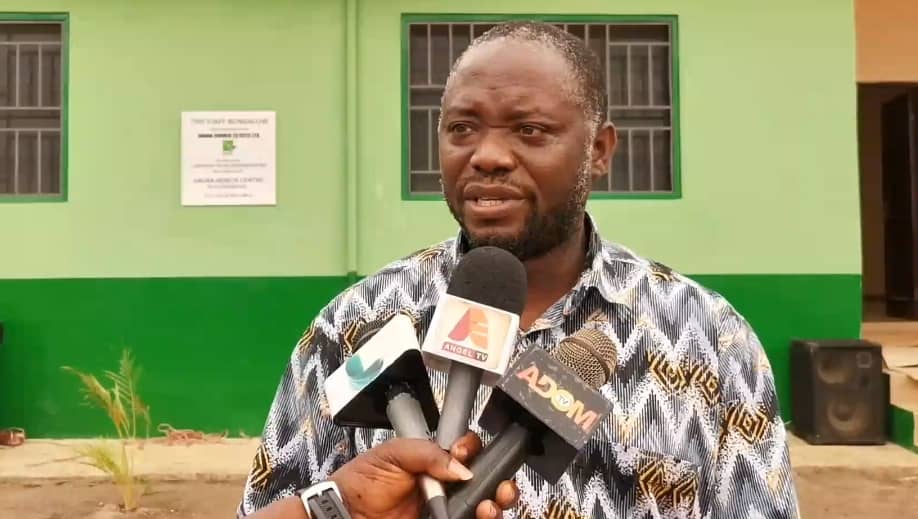
“In the past, we worked 24 hours a day, seven days a week. Now it’s only four or five days. That means reduced income for workers and a shrinking industry,” he lamented to Angel News’ reporter Nana Fynn.
He further disclosed that in just the past two months, GREL has invested about GH₵2.1 million in social responsibility projects. He cautioned that if the company continues to lack raw materials for production, such community support initiatives may no longer be sustainable.
Mr. Acheampong added that since 2015, credit facilities for smallholder farmers (out-growers) have dried up because exporters buy rubber directly from farmers without deducting loan repayments, leaving banks unable to support the out-grower scheme.
“Without support for out-growers, the industry cannot expand. This situation is killing the rubber sector,” he warned.
On pricing, he clarified that GREL does not determine prices. “The Tree Crop Development Authority (TCDA) is mandated to announce the floor price monthly. The exporter has no overhead cost, but processors like us add value locally, which comes at a cost. At the moment, we process every kilogram of rubber at a loss,” he explained.
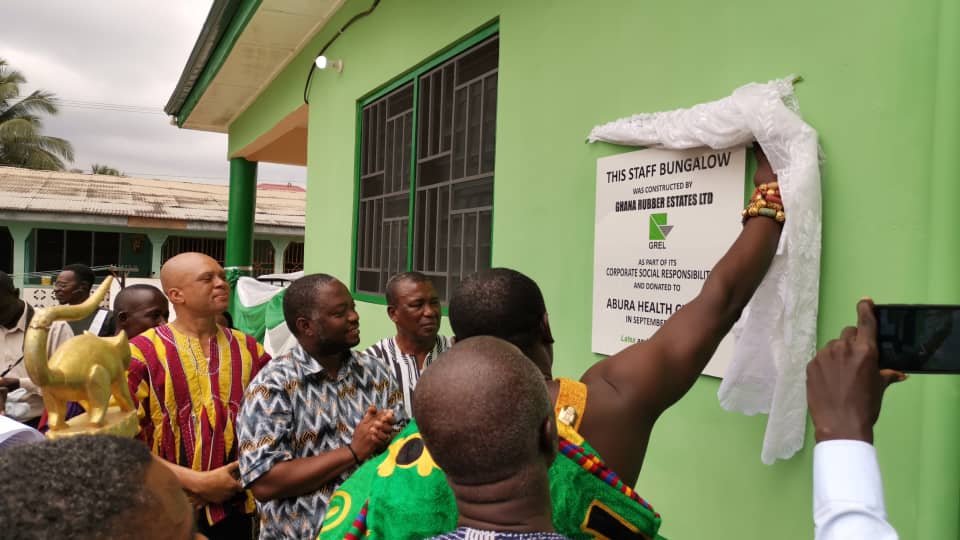
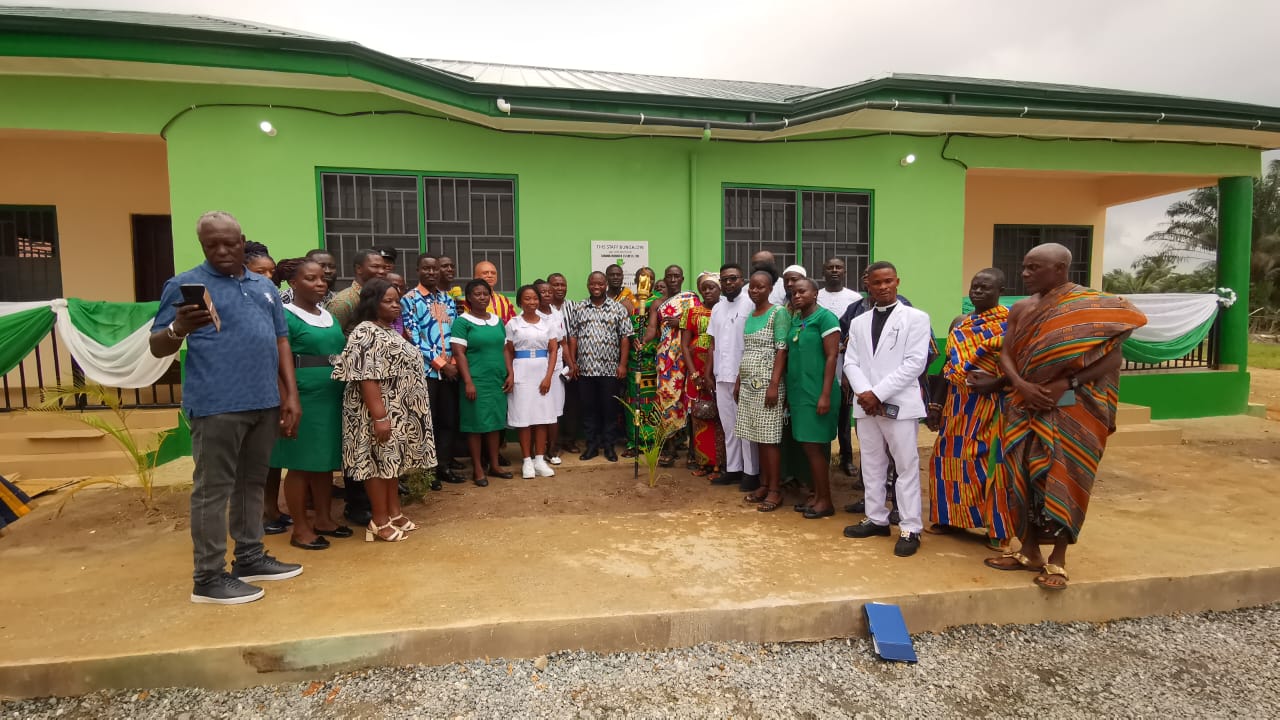
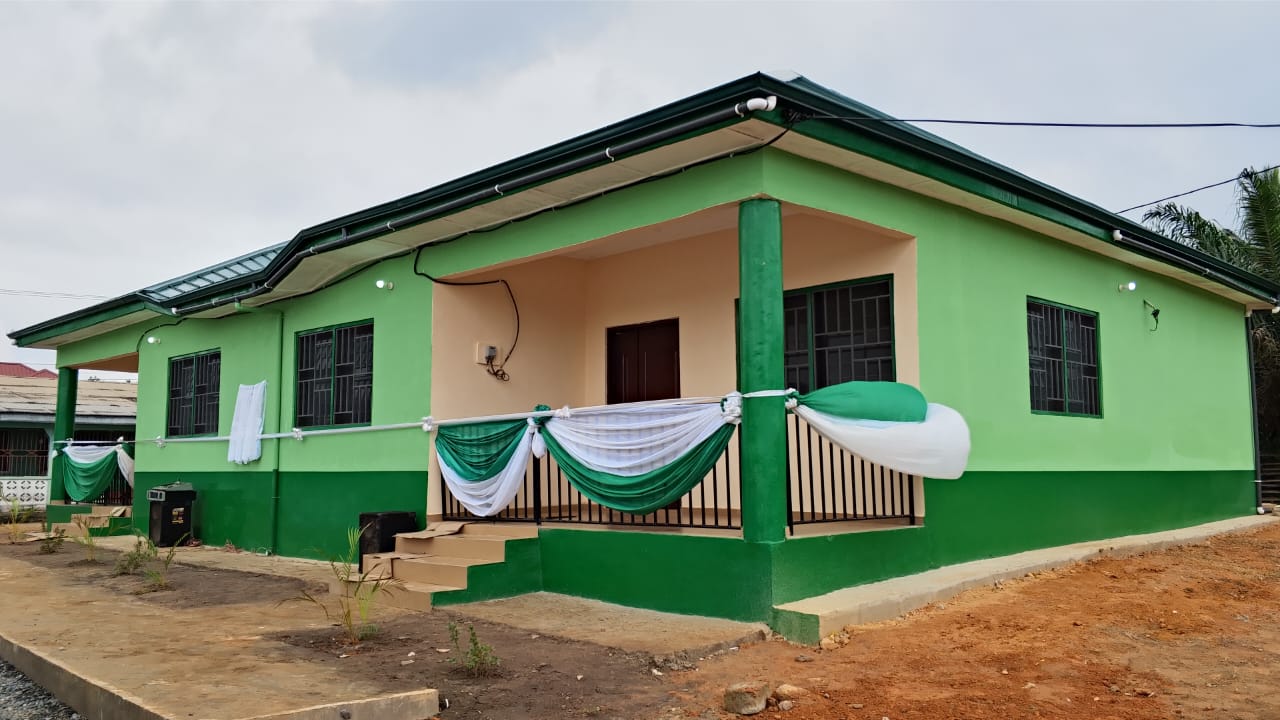
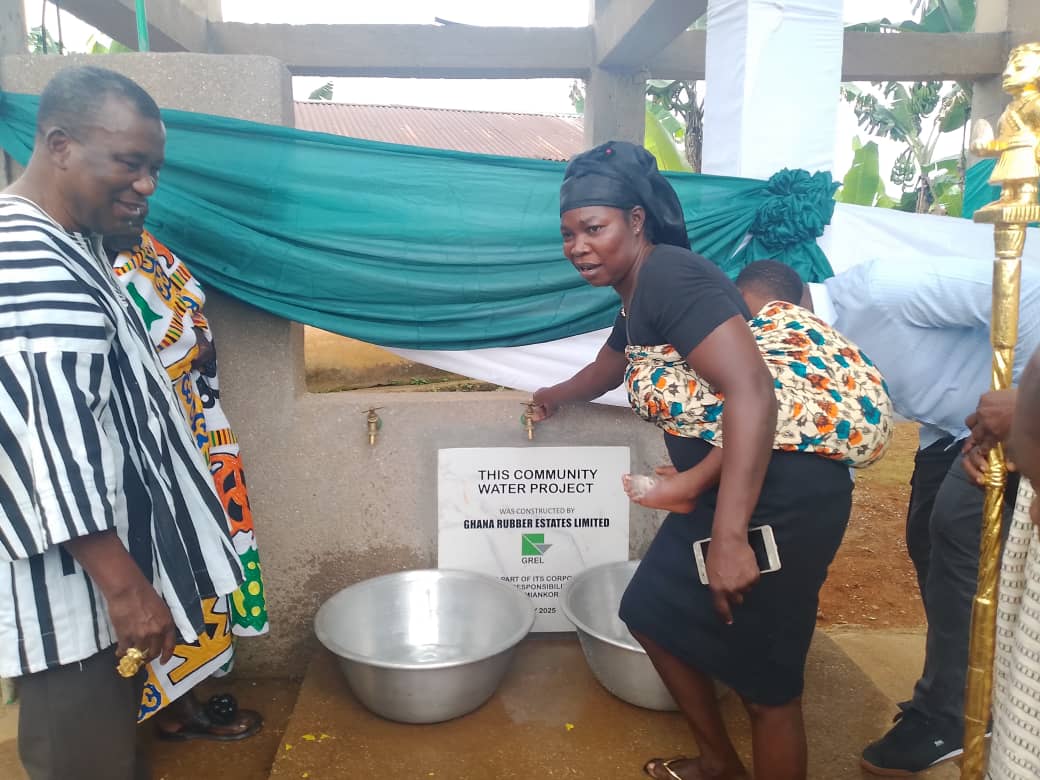
He raised the concern during a ceremony where GREL commissioned and handed over two units of two-bedroom semi-detached staff accommodation for the Abura Health Center in the Ahanta West municipality and a 20,000-litre community water system for Bamiankor in the Nzema East Municipality all in the western region as part of the company’s corporate social responsibility.
The Municipal Chief Executive (MCE) of Ahanta West, Ing. Ebenezer Aidoo, who graced the commissioning ceremony, expressed concern about the challenges facing GREL and pledged the Assembly’s full support.
“GREL directly and indirectly employs over 10,000 people. If such a huge company goes down, the economy of Ahanta West will also collapse. That is why I will do everything within the confines of the law to support them,” he said.
The MCE revealed that GREL’s Apimenim plant, which previously operated at 90% capacity, is now down to 70%, while the Jabinkrom facility has been shut down.
He said discussions are ongoing with the Trade Ministry, the Regional Minister, and other stakeholders to explore bylaws and trade mechanisms to protect the company.
Both GREL and the Assembly are appealing for urgent government action to safeguard the industry from collapse.