




















































The Ministry of Local Government, Chieftaincy and Religious Affairs, has appealed to traditional leaders in the Eastern Region to renew efforts to combat child marriage and protect children from the practice to safaguard the future of the youth.
According to the ministry, child marriage has become one of the most significant barriers to the development, education, health and empowerment of children, especially young girls in Ghana.
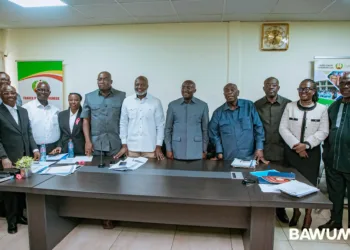
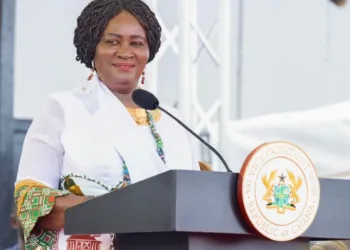
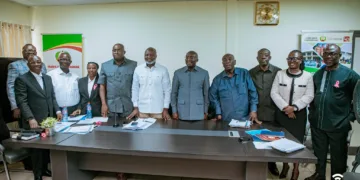
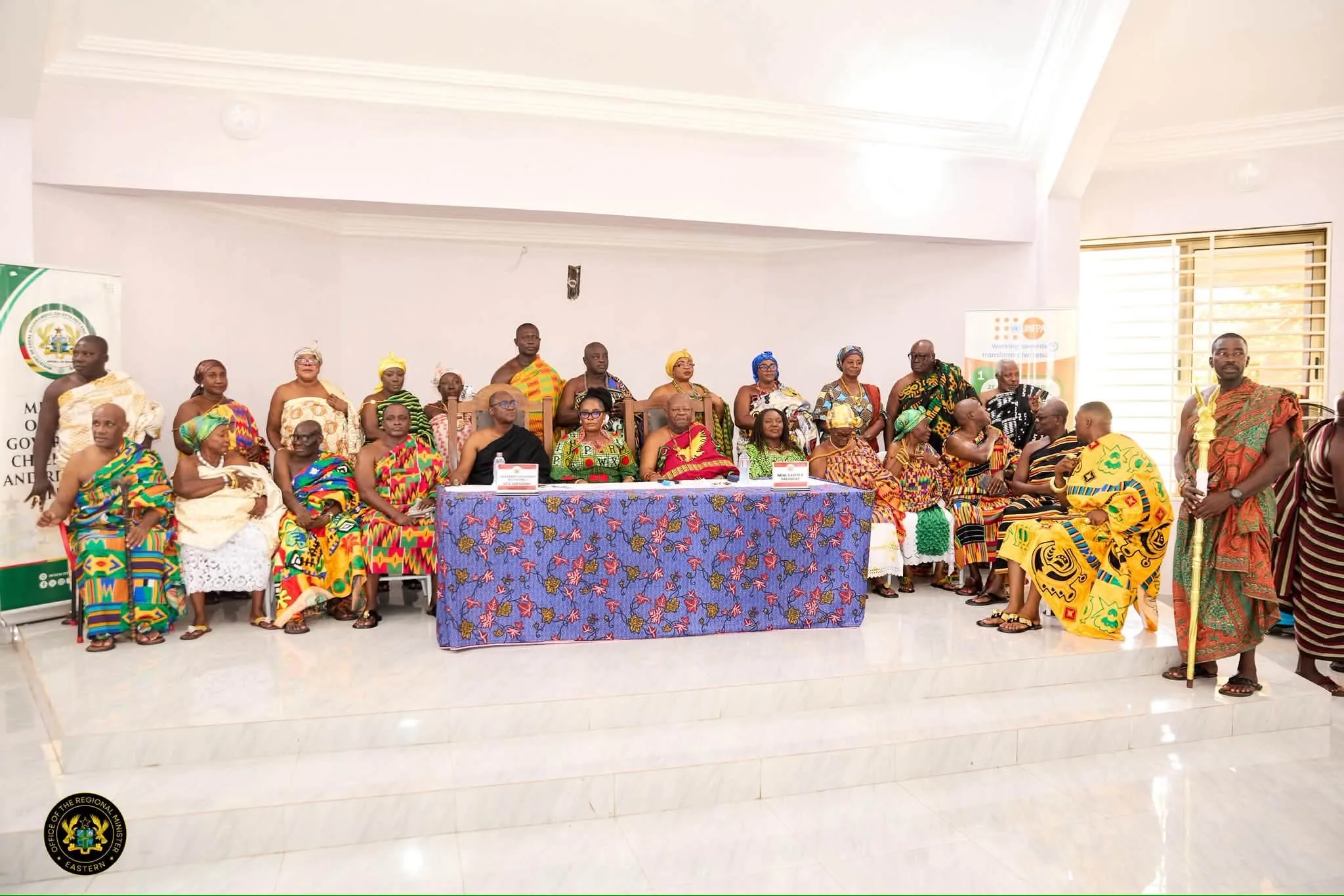
Addressing a special meeting of the Eastern Regional House of Chiefs in Koforidua on Friday, October 23, 2026, Deputy Minister for Local Government, Rita Naa Odoley Sowah, underscored how the practicdestroys young girls’ dreams, steal their childhood and robs them of the opportunity to build a better future.
“When a girl is married before she is physically, emotionally and mentally ready, her dreams are often curtailed, her educational journey interrupted, and her opportunities for meaningful participation in national development diminished,” she stated.
The meeting was held to deliberate on how traditional councils could collaborate with other stakeholders to fight teenage pregnancy and early marriage in their respective traditional areas.
Madam Sowah, however, acknowledged the exemplary leadership demonstrated by three paramountcies in the Eastern Region, namely Anum, Akwamu and New Juaben, which have publicly declared their commitment to ending child marriage and teenage pregnancy within their traditional areas.
According to her, this brings to eleven the number of paramountcies in the country that have made declarations to end the practice.
She noted that traditional leaders hold one of the most powerful keys to changing social norms, influencing community behaviour and mobilising collective action against child marriage and gender-based violence.
“The challenge is not merely a concern for governments and development partners, but a concern for all, including traditional authorities, families, religious institutions and communities,” she said.
The Deputy Minister therefore called on the remaining paramountcies to begin consultations and mobilisation within their jurisdictions and, in the coming months, make formal declarations to end child marriage in their traditional areas.
She said the government remained committed to supporting traditional authorities and the National and Regional Houses of Chiefs to advance the agenda through collaboration, advocacy, community education and enforcement of existing laws that protect children and vulnerable persons.
She stressed that laws alone could not eliminate child marriage, adding that sustainable change occurred when institutions and people collectively rejected harmful practices and championed the rights and well-being of children.
On his part, the President of the Eastern Regional House of Chiefs, Nene Sakite II, said it was high time some outmoded customs and traditions were given a second look to prevent them from leading the younger generation astray.
The Eastern Regional Minister, Mrs Rita Akosua Adjei Awatey, also called on traditional leaders to use their influence to end child marriage, teenage pregnancy and Sexual Gender-Based Violence (SGBV), which she said remained prevalent in communities and affects the health, education and the future of young girls.