




































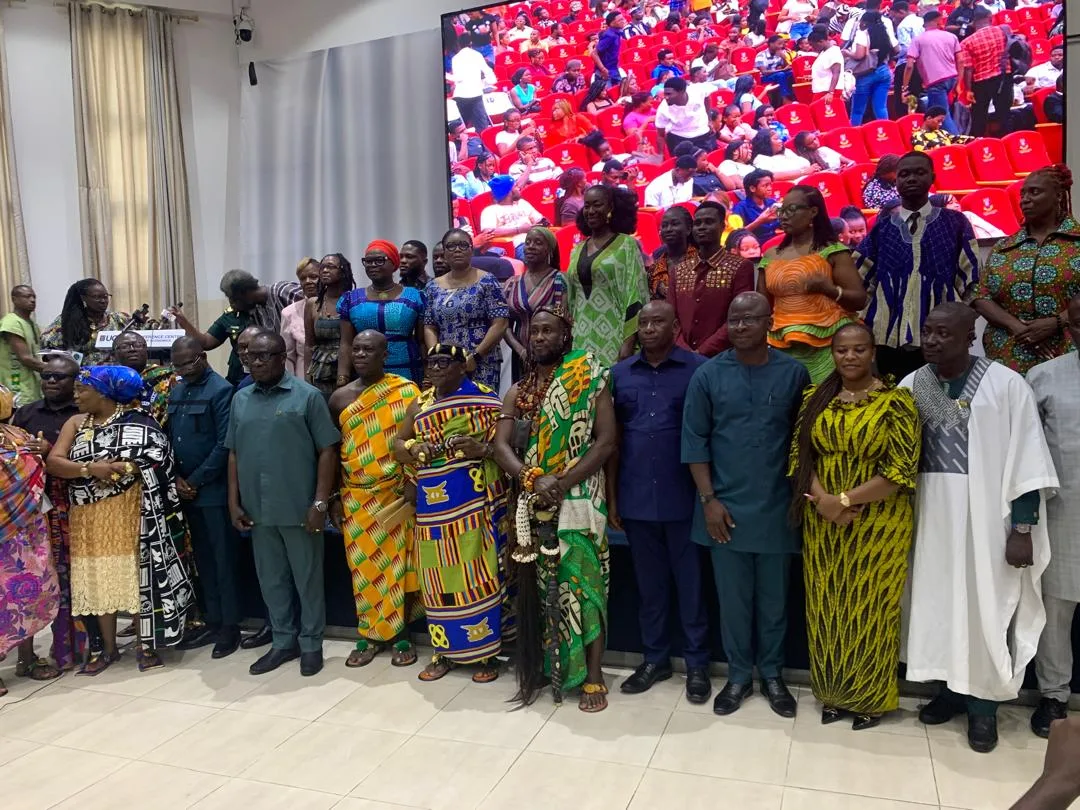
The inaugural Open D.O.O.R. Dialogues has called on Ghanaians, historic diasporans and young people to move beyond temporary visits and work together to make Ghana a place where people can live, belong and build lasting futures.
The event was held at the Cedi Conference Centre, University of Ghana, Legon, on Friday, October 30, 2026. It was themed: “Come Home. Stay Home. Build Home.”
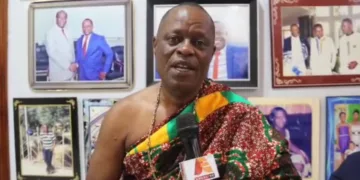
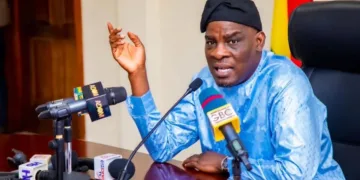
It was organised by the College of Humanities and chaired by Ɔbenfo Ọbádélé Bakari Kambon, Chairman of the Open D.O.O.R. Dialogues Committee.
Speaking at the event, Ɔbenfo Kambon said the initiative marked a shift from the “Year of Return”, which encouraged tourism and reconnection, to the “Decade of Our Repatriation” from 2026 to 2036, which focuses on permanent settlement and national development.
He explained that D.O.O.R. stood for the Decade of their Repatriation, and stressed that return must be supported by practical structures, including clear information on residency and citizenship, land, housing, language learning, employment, enterprise and community integration.
“Tourism however is the first step, but it is not the final destination,” he said.
Ɔbenfo Kambon, who repatriated to Ghana in 2008, said repatriates needed reliable institutions to help them settle, contribute and remain in the country.
He urged the creation of parallel structures to those serving tourism, including a dedicated repatriation authority.
He also traced African resistance across the Black world, arguing that history should not begin with 1619, and called for a broader Pan-African understanding of shared struggle, cooperation and institution-building.
The Chairman said young people were central to the dialogue, noting that the initiative sought to turn brain drain into brain gain by connecting students with the skills, networks and enterprises of repatriates.
“Let us make home a place where people can live, belong and build,” he said.
However, he urged participants to identify obstacles, name responsible institutions, agree on concrete actions and set time frames to ensure the dialogue produced measurable outcomes beyond the event.
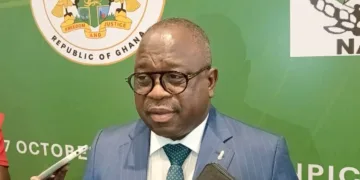
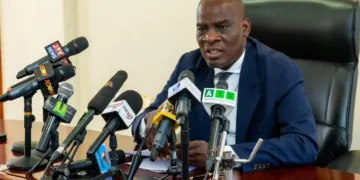
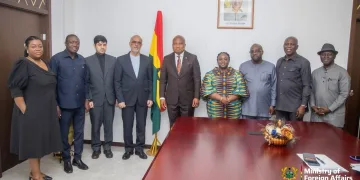
Deputy Minister for Foreign Affairs, Mr James Gyakye Quayson, said Ghana would continue to champion Pan-Africanism and remain a home for people of African descent who wished to return.
He said the Decade of their Repatriation provided an important opportunity to move beyond symbolic reconnection towards practical pathways for return, reintegration, citizenship, heritage and economic empowerment.
Mr Quayson noted that the diaspora was a powerful catalyst for national development through investment, innovation, skills transfer, philanthropy, tourism and global advocacy.
“The theme, ‘Come Home. Stay Home. Build Home’, is both an invitation and a call to action,” he said.
He said the Ministry of Foreign Affairs regarded diaspora engagement as an essential pillar of Ghana’s foreign policy, with diplomatic missions serving as vital bridges between Ghana and its citizens across the world.
Mr Quayson also emphasised the role of young people, urging institutions to use the initiative to connect them with opportunities in employment, entrepreneurship, innovation, skills development, internships and investment.
“It challenges us to harness the talents, resources and aspirations of Africans on the continent with the global community in pursuit of our collective advancement,” he said.
He reaffirmed the Government’s commitment to strengthening institutional coordination, improving the policy environment and implementing practical measures that would enable members of the diaspora to make lasting contributions to Ghana’s development.