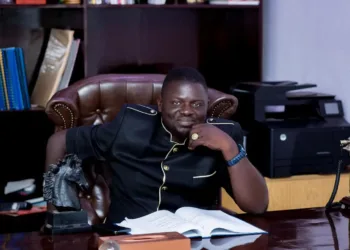
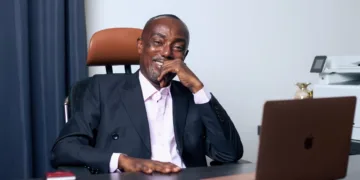






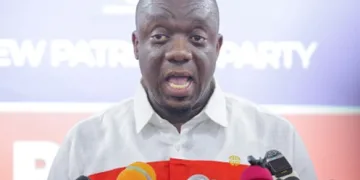
























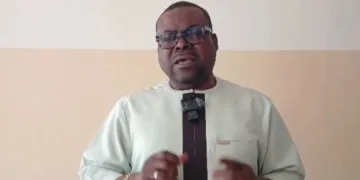














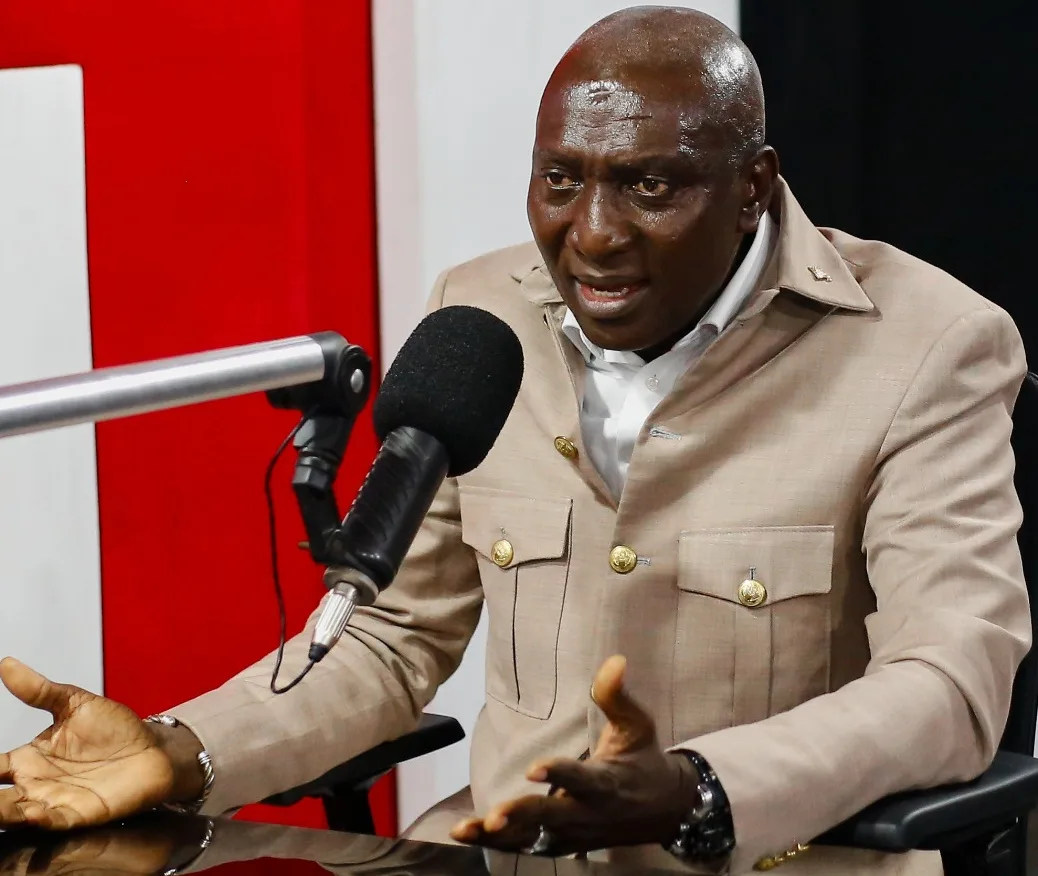
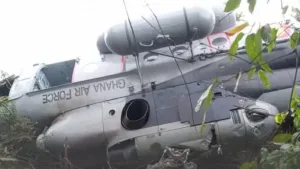
International Diplomatic Consultant, Farouk Al-Wahab, has expressed dissatisfaction with the report on the tragic Z-9 helicopter crash presented by Aircraft Accident Investigation Expert, Captain Paul Forjoe.
He described it as unsatisfactory, falling short of expectations and lacks credibility.
Mr. Al-Wahab raised concerns about the recommendations he made during his presentation, noting that lack of adequate surveillance systems on the aircraft to indicate its location posed a major issue questioning the role of the Kumasi Air Traffic Control in ensuring effective surveillance measures.
“If the surveillance was not there, what was the Kumasi Air Traffic Control doing in the air?”
Speaking on a phone-in interview on Angel News Tuesday, November 11, 2025, Mr. Al-Wahab argued that if a flight voice recorder truly existed, it should have provided all the necessary details.
He emphasized that the recorder serves as a crucial information storage device that captures every activity within the aircraft.
“If there was no flight recorder, then the report was based on assumptions and presumptions rather than verified evidence.
Is it a mere finding, or did the finding magically originated”, he questioned.
Speaking further, he criticized the overall report as social illustrations rather than concrete evidence.
He added that if the press understood the report’s technicalities, they would see that it undermines the Ghana Armed Forces (GAF) rather than promoting accountability.
“ If the press truly understood the technical aspects of the report, they would realize it was attempting to undermine the Ghana Armed Forces but rather not seeking accountability”, he told Kwadwo Dickson on Angel FM Midday News.
He emphasized that, any recommendations should consider replacing the Z-9 helicopter, explaining that the aircraft can serve a dual function as both helicopter and a jet because it age does not improve its reliability because it get healthier when it old.
“The older it becomes, the healthier it gets; this report does not answer the questions we are looking for”, he pinpointed.
Contributor: Ernest Kelvin Okanta