
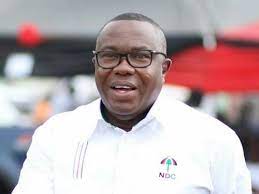













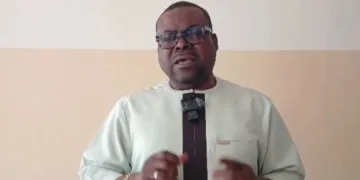












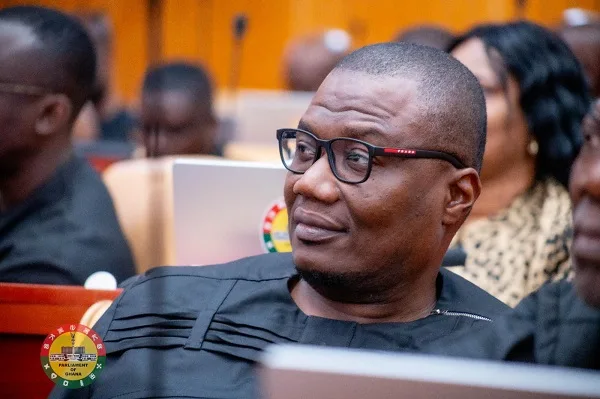
The Ranking Member on Parliament’s Health Committee and Member of Parliament for Effiduase/Asokore, Nana Ayew Afriyie, is calling for greater transparency and clarity over Ghana’s new Free Primary Healthcare (FPHC) programme, raising concerns about what he describes as possible overlap with an existing national health initiative.
According to him, several components of the policy appear to mirror the earlier Free Annual Health Check programme implemented under the National Health Insurance Authority (NHIA), in collaboration with the Ministry of Health, Ghana Health Service, CHAG, private health providers, and development partners including USAID and the World Bank.
The lawmaker argues that the Free Primary Healthcare programme closely resembles the Free Annual Health Check initiative launched in August 2024, which focused on preventive health screening for Ghanaians aged 18 and above.
The earlier programme, led by former NHIA Chief Executive Officer Dr. Da-Costa Aboagye, included screenings for blood pressure, blood sugar, BMI, counselling, and referrals for further care.
“Our Free Annual Health Checkup programme is designed to prevent severe health conditions, reduce healthcare costs and improve quality of life,” Dr. Aboagye previously stated.
Ayew Afriyie maintains that the current policy document outlines nearly identical interventions, including routine screening services and preventive care measures.
Ayew Afriyie maintains that the current policy document outlines nearly identical interventions, including routine screening services and preventive care measures. He further raised concerns about what he describes as insufficient recognition of key institutions and partners who contributed to the earlier programme’s development and implementation.
He argues that the current framework appears to draw heavily from existing guidelines without adequately crediting the NHIA, Ghana Health Service, CHAG, and international development partners.
The MP also questioned aspects of the implementation strategy, particularly community outreach and home visit components, which he says are already established features of Ghana’s primary healthcare system.
He referenced the Alma-Ata Declaration, noting that such approaches have long been part of Ghana’s healthcare delivery model and should not be presented as new innovations.
Ayew Afriyie also questioned the projected cost of the Free Primary Healthcare programme, estimated at about GH₵1.2 billion annually.
He contrasted this with earlier funding structures for the Free Annual Health Check programme, which reportedly included support from USAID and the World Bank, alongside allocations from the NHIA budget.
He is seeking clarification on the basis for the increased expenditure and whether the new programme introduces significantly different interventions.
The Effiduase/Asokore MP is urging the Ministry of Health to clearly distinguish the new policy from existing initiatives, stressing the need for transparency in design, funding, and implementation.