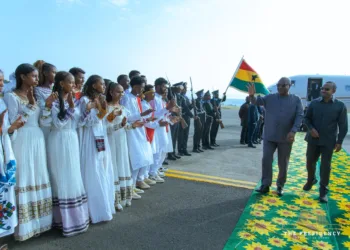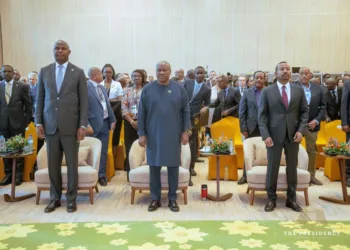









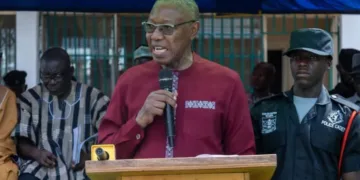













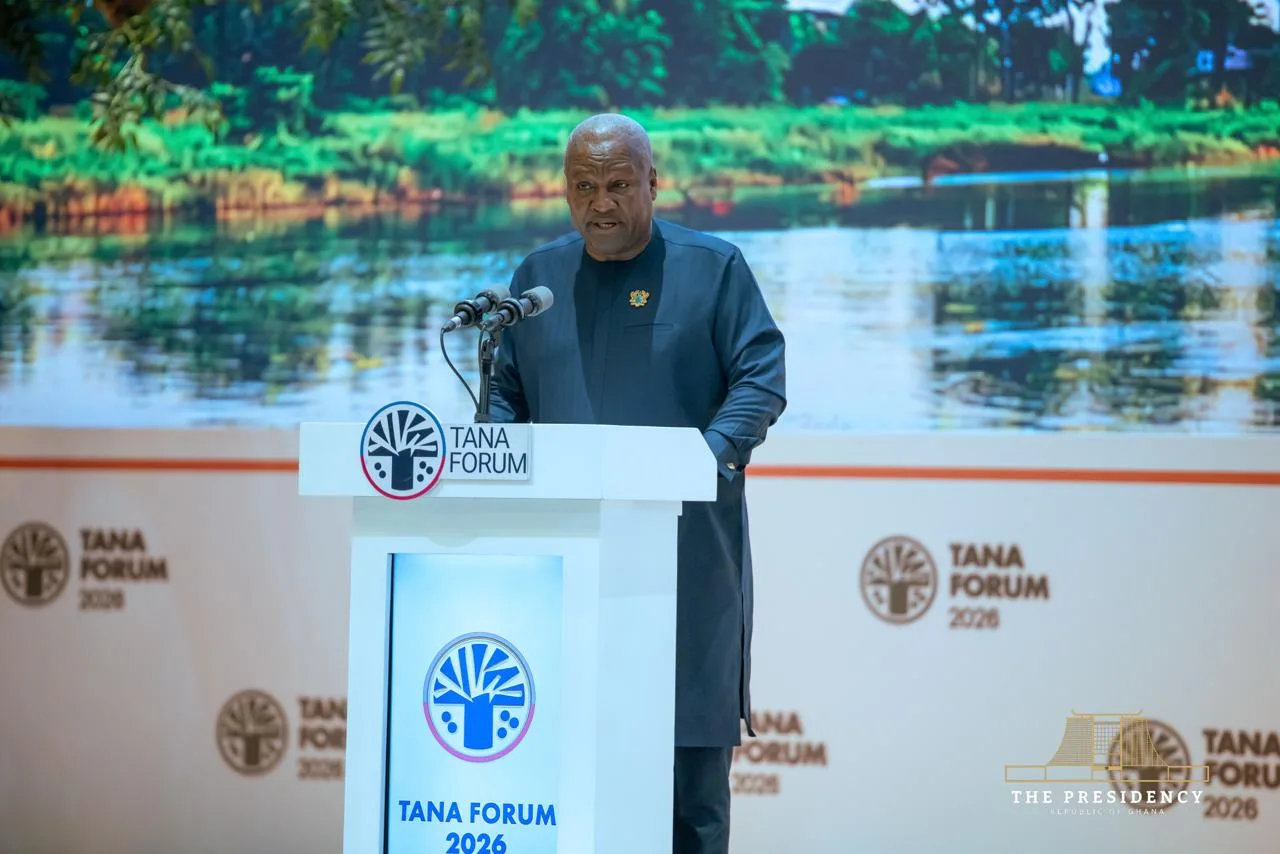
President John Dramani Mahama has warned African countries against relying on foreign funding to address the continent’s peace and security challenges, calling on governments to take greater responsibility for financing their own peace initiatives.
He said Africa’s dependence on external support leaves its security operations vulnerable to decisions made by foreign governments, particularly when funding for peacekeeping missions is reduced.
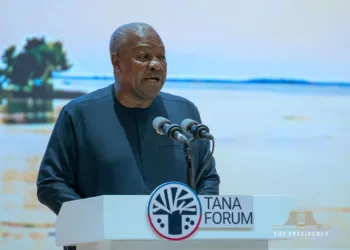
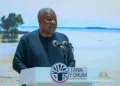
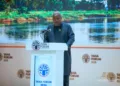
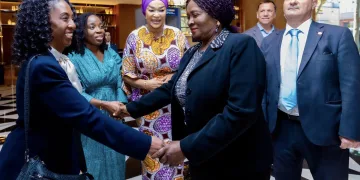
Speaking at the 12th Tana High-Level Forum on Security in Africa in Ethiopia, President Mahama cited the transition from the African Union Transition Mission in Somalia (ATMIS) to the African Union Support and Stabilization Mission in Somalia (AUSOM), which requires about $150 million annually.
He noted that the African Union Peace Fund could barely provide $20 million, leaving the continent dependent on external partners to meet the funding requirements.
“The rest, what do we do? We look outside,” he said, highlighting Africa’s continued reliance on foreign support for peacekeeping operations.
President Mahama warned that decisions by governments in Washington and European capitals to cut funding for peacekeeping missions could have serious consequences for African security.
“When decisions are taken in Washington or European capitals to cut funding for peacekeeping support missions, the fate of the Horn of Africa is decided in rooms where Africans do not even have a vote,” he said.
He described the situation as external dependency and called for a shift towards African-led financing of peace and security initiatives.
“That is not an African solution to African problems. That is external dependency,” President Mahama said, insisting that African countries must fund their own peace outcomes.
Beyond financing, he identified weak political commitment and poor implementation of existing agreements as major obstacles to addressing insecurity across the continent.
He said Africa had established frameworks such as Agenda 2063 and the African Peace and Security Architecture, but the challenge remained the willingness of governments to implement their commitments.
“Our problem is not the ink on the paper. It is the courage of execution,” he said.
President Mahama also called on African governments to strengthen regional cooperation, improve governance in border communities and address the economic conditions that contribute to conflict.
He stressed that security efforts must respond to the needs of ordinary citizens, particularly young people and women, whose exclusion and limited economic opportunities can worsen instability.
The President made the remarks while presenting the 2026 State of Peace and Security in Africa report, which covers developments between January 2025 and June 2026.
He urged African leaders to move beyond declarations and ensure that their commitments translate into practical action to achieve lasting peace and security across the continent.